
The Guitar's Epic Journey: From Ancient Roots to Cherished Vintage Gems
The guitar's story is a captivating saga, tracing its lineage from ancient plucked instruments to the revered vintage icons of today. It's a chronicle of relentless innovation in shape, sound, and cultural resonance. Join us as we explore the origins of its foundational ancestors, the leaps in classical and steel-string acoustics, the birth and meteoric rise of the electric guitar, the legendary players who defined genres, diverse global traditions, the irresistible allure of collectible vintage pieces, and the cutting-edge advancements shaping its future.
Where Did the Guitar's Ancestors Begin? Exploring Early Stringed Instruments
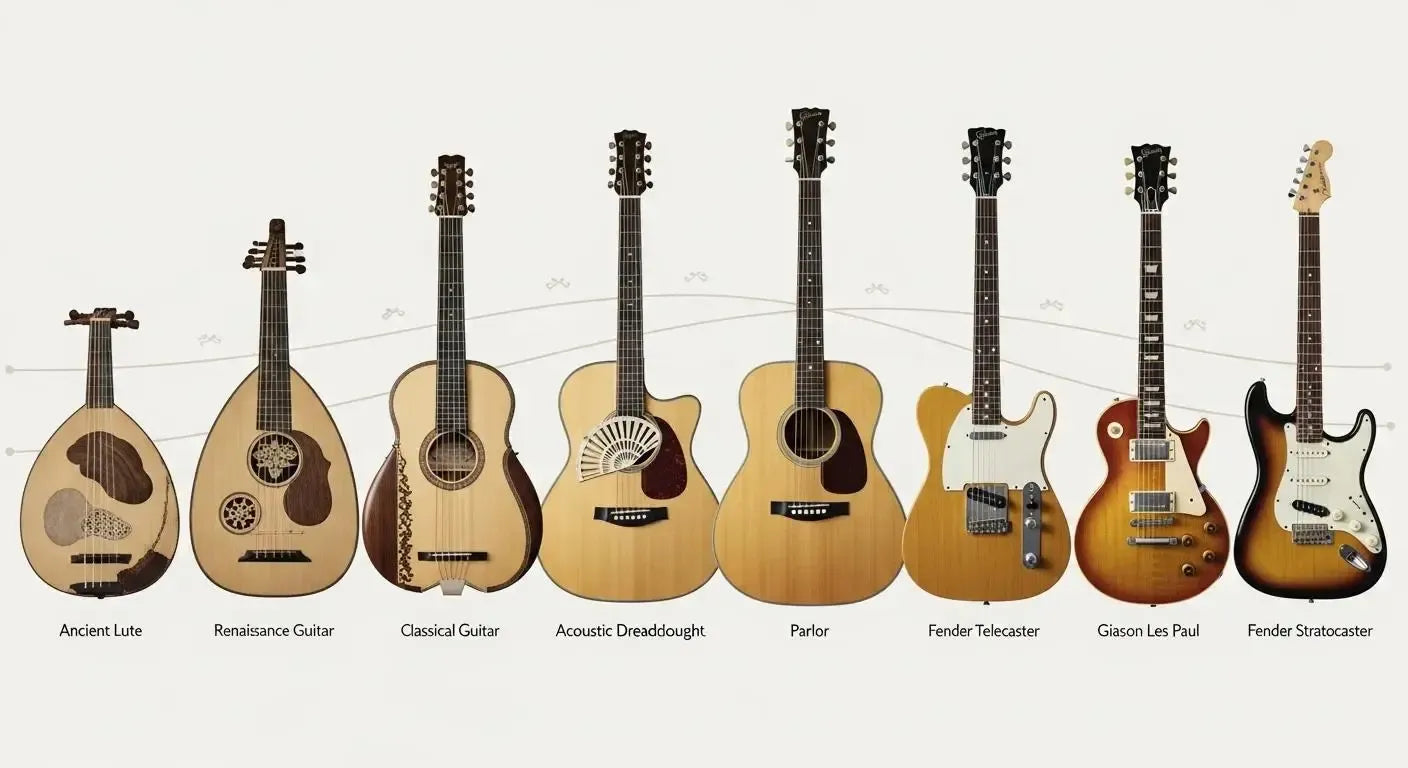
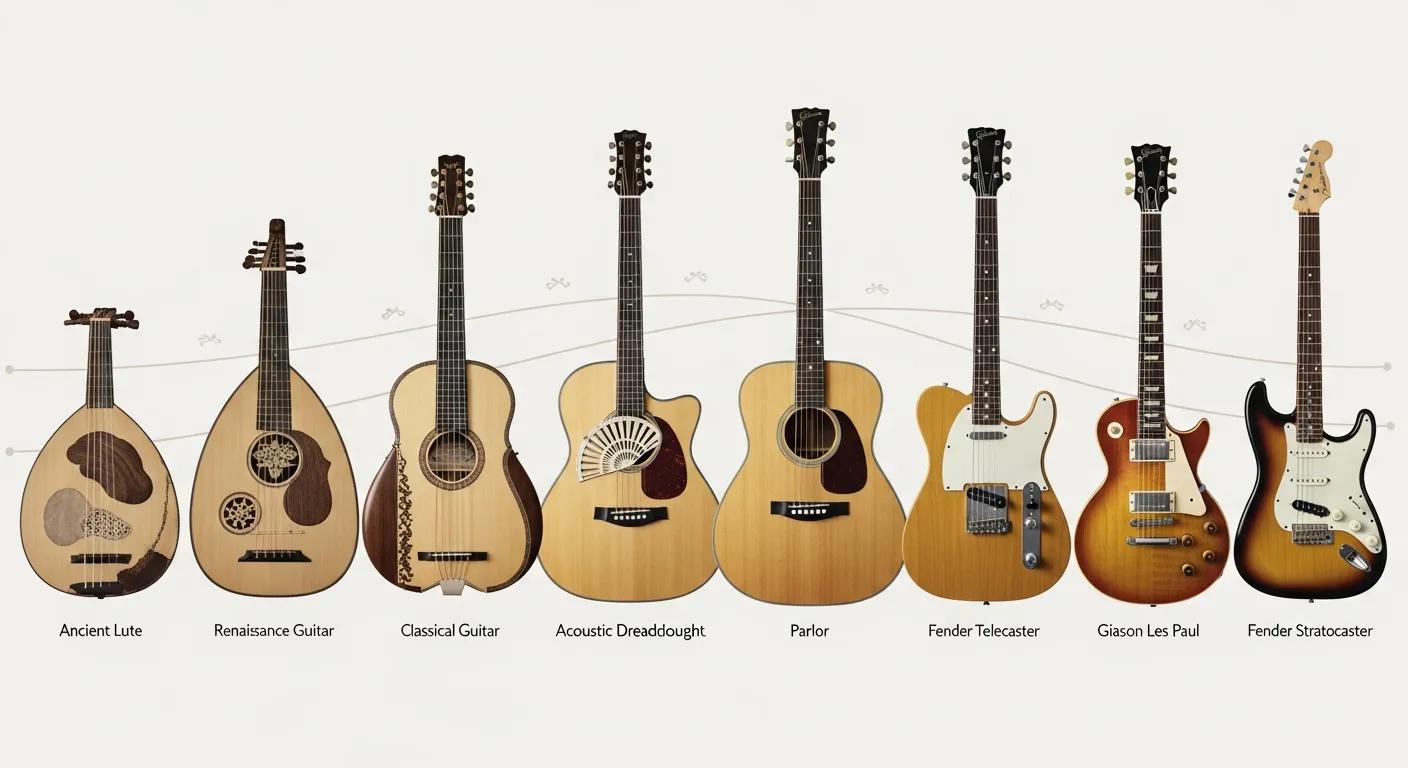
Early stringed instruments were marvels of acoustic engineering, combining plucked resonance with carved bodies to weave intricate melodies. By borrowing ingenious mechanics from the lute and oud, instrument makers unlocked greater projection and refined fret placement for pinpoint accuracy. For instance, Renaissance artisans introduced flat backs and elegantly waisted bodies, significantly enhancing playability and setting the stage for the guitar's eventual form.
| Instrument | Place of Origin | Key Contributions |
|---|---|---|
| Lute | Mesopotamia/Europe | Its rounded body and angled pegbox optimized string tension for rich polyphonic playing. |
| Oud | Middle East | The fretless fingerboard allowed for exquisite microtonal ornamentation, deeply influencing Mediterranean musical styles. |
| Vihuela | Spain | A body shape akin to the guitar, paired with six courses of strings, merged lute tuning with the plucked guitar technique. |
How Did Ancient Lutes and Ouds Shape the Early Guitar?
The carved neck-body construction and meticulously tuned courses of Renaissance lutes and Arab ouds were instrumental in shaping early guitar mechanics. Their curved soundboards and internal soundholes amplified acoustic resonance, while adjustable tied frets offered unprecedented flexibility in scale length. Musicians embraced these instruments for their capacity for intricate polyphony, prompting luthiers to experiment with simpler, flat-backed bodies to streamline production and boost volume—crucial steps leading to the emergence of the Renaissance guitar.
What Was the Role of the Vihuela and Renaissance Guitar in Guitar's Evolution?
The vihuela introduced dual-string courses, tuned much like a lute but with a body shape closer to a guitar, harmonizing volume with exceptional chordal clarity. Its six double courses adopted a tuning of G–C–F–A–D–G, mirroring modern guitar intervals and enabling richer harmonic textures. As vihuela sheet music circulated widely across Spain, the demand for instruments with more straightforward fingerboards spurred the transition to the four-course Renaissance guitar, which favored single strings and laid the groundwork for classical guitar technique.
How Did the Baroque Guitar Influence Modern Guitar Design?
Baroque guitars featured five single strings, lighter fan bracing, and more refined waist contours, all contributing to enhanced projection in larger performance spaces. Their distinctive re-entrant tuning (A–D–G–B–E) highlighted high-pitched melodies and the vibrant rasgueado strumming style, hinting at future flamenco rhythms. These pivotal design shifts, particularly the adoption of fixed metal frets and X-bracing patterns, established fundamental structural principles that remain central to classical guitar construction today.
The Evolution of Acoustic Guitars: A Journey Through History and Innovation
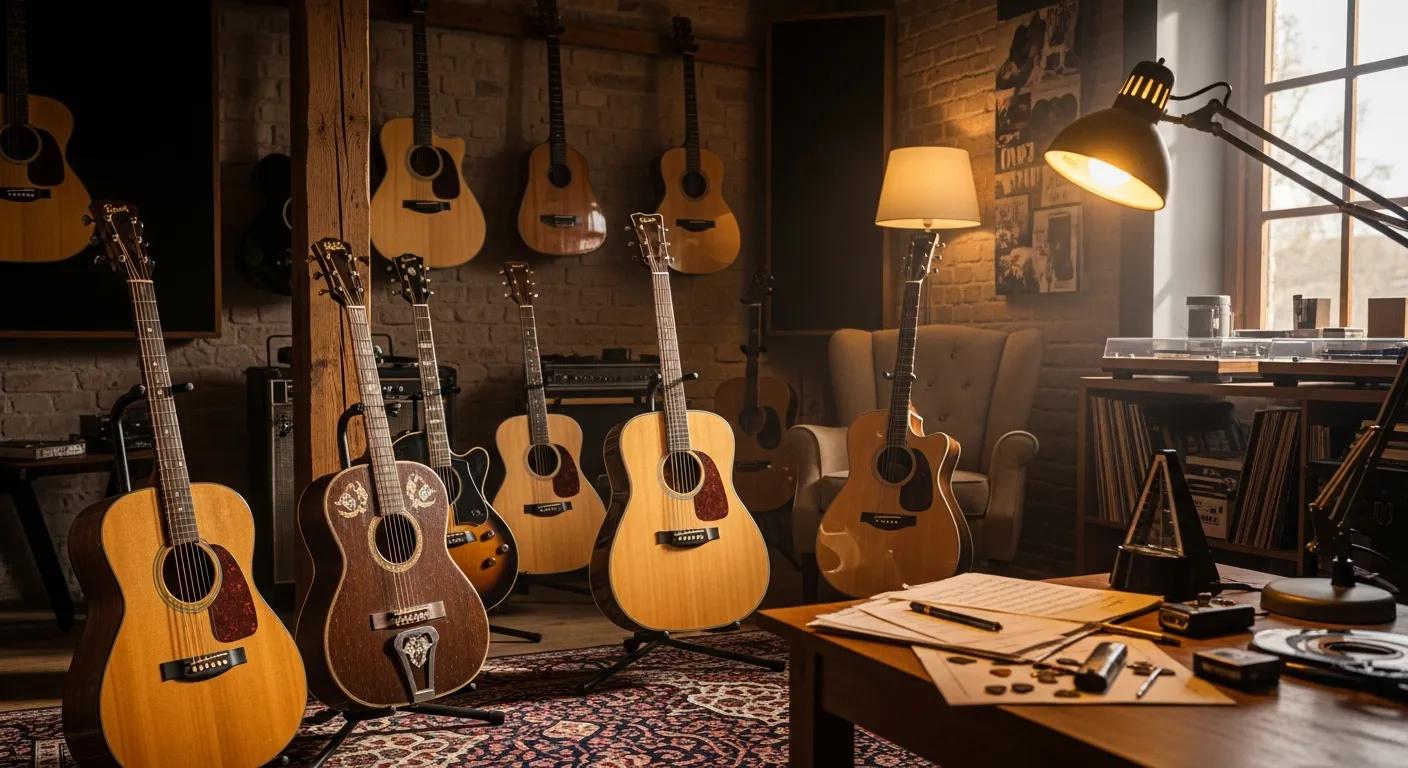
Classical and steel-string acoustics evolved through thoughtful advancements in scale length, bracing, and materials, all aimed at expanding tonal range and projection. Visionary luthiers refined body shapes and internal support systems to achieve a perfect balance of warmth, sustain, and volume. Understanding these groundbreaking developments helps explain why today's acoustic guitars deliver such consistent, rich resonance across a vast spectrum of musical styles and performance settings.
What Groundbreaking Innovations Did Antonio de Torres Jurado Introduce to the Classical Guitar?
Antonio de Torres Jurado dramatically reshaped the classical guitar in the mid-19th century, enhancing its volume and tonal balance. He achieved this by enlarging the body, thinning the soundboards, and standardizing fan bracing patterns. His designs often featured cedar and spruce top combinations, optimizing frequency response, while a wider lower bout and refined waist improved resonance. These innovations gifted performers with unprecedented dynamic range and clarity, essentially creating the blueprint for all classical guitars that followed.
Antonio de Torres: Guitar Maker, His Life and Work
José L. Romanillos's comprehensive study highlights Antonio de Torres Jurado as the most influential Spanish guitar maker of the 19th century. Torres revolutionized classical guitar design by enlarging the body, thinning soundboards, and standardizing fan bracing patterns, which significantly enhanced the instrument's volume, tonal balance, and dynamic range, thereby setting the blueprint for modern classical guitars.
This book provides authoritative information on Antonio de Torres Jurado's innovations, directly supporting the article's discussion of his impact on classical guitar design and its subsequent evolution.
How Did C.F. Martin Shape the Development of the Steel-String Acoustic Guitar?
Christian Frederick Martin was a pivotal figure, introducing scalloped X-bracing and pioneering the use of steel strings in the mid-19th century. These innovations dramatically boosted volume and sustain. By reinforcing internal braces and strengthening the neck-body joint, Martin's designs could withstand higher string tension, allowing guitars to hold their own alongside brass and woodwind instruments in ensembles. This breakthrough led to the widespread adoption of steel-string acoustics by folk, country, and early blues artists seeking greater projection and articulate sound.
What's the Story Behind the Dreadnought and Archtop Acoustic Guitars?
The acoustic guitar evolved into distinct forms to meet diverse tonal and performance needs, giving rise to two iconic styles:
| Instrument Style | Defining Feature | Primary Advantage |
|---|---|---|
| Dreadnought | Generously sized, rectangular body | Delivers powerful bass response and robust volume, perfect for strumming. |
| Archtop | Carved, arched top with distinctive f-holes | Offers a focused midrange and punch, ideal for cutting through in jazz solos. |
When and How Did the Electric Guitar Emerge and Capture the World's Attention?
The electric guitar revolutionized music by harnessing electromagnetic pickups to transform string vibrations into amplified electrical signals, unlocking unprecedented volume and sustain. Early pioneers experimented with magnetic coils and hollow bodies before the advent of solid-body designs effectively tamed feedback. This seismic shift opened the door to entirely new sonic textures, becoming the bedrock of rock, blues, and jazz revolutions across the globe.
Who Were the Visionaries Behind the First Electric Guitars?
Pioneering figures like Adolph Rickenbacker and George Beauchamp crafted the first commercially successful electric Hawaiian lap steels in the early 1930s, integrating single-coil pickups into hollow bodies. Rickenbacker's iconic "Frying Pan" model demonstrated the power of magnetic transduction to amplify sustain and tonal clarity, sparking further innovation in amplified Spanish-style guitars.
The Invention of the Electric Guitar
This resource from the Smithsonian's Lemelson Center details the pioneering efforts of George Beauchamp and Adolph Rickenbacker in developing the first commercially successful electric Hawaiian lap steel guitars, such as the "Frying Pan" model, in the early 1930s. Their work with electromagnetic pickups was fundamental in amplifying string vibrations, establishing the foundation for modern electric guitar technology.
This research directly supports the article's claims regarding the invention and early popularization of the electric guitar, specifically highlighting the contributions of Beauchamp and Rickenbacker.
How Did Leo Fender Redefine the Electric Guitar with the Telecaster and Stratocaster?
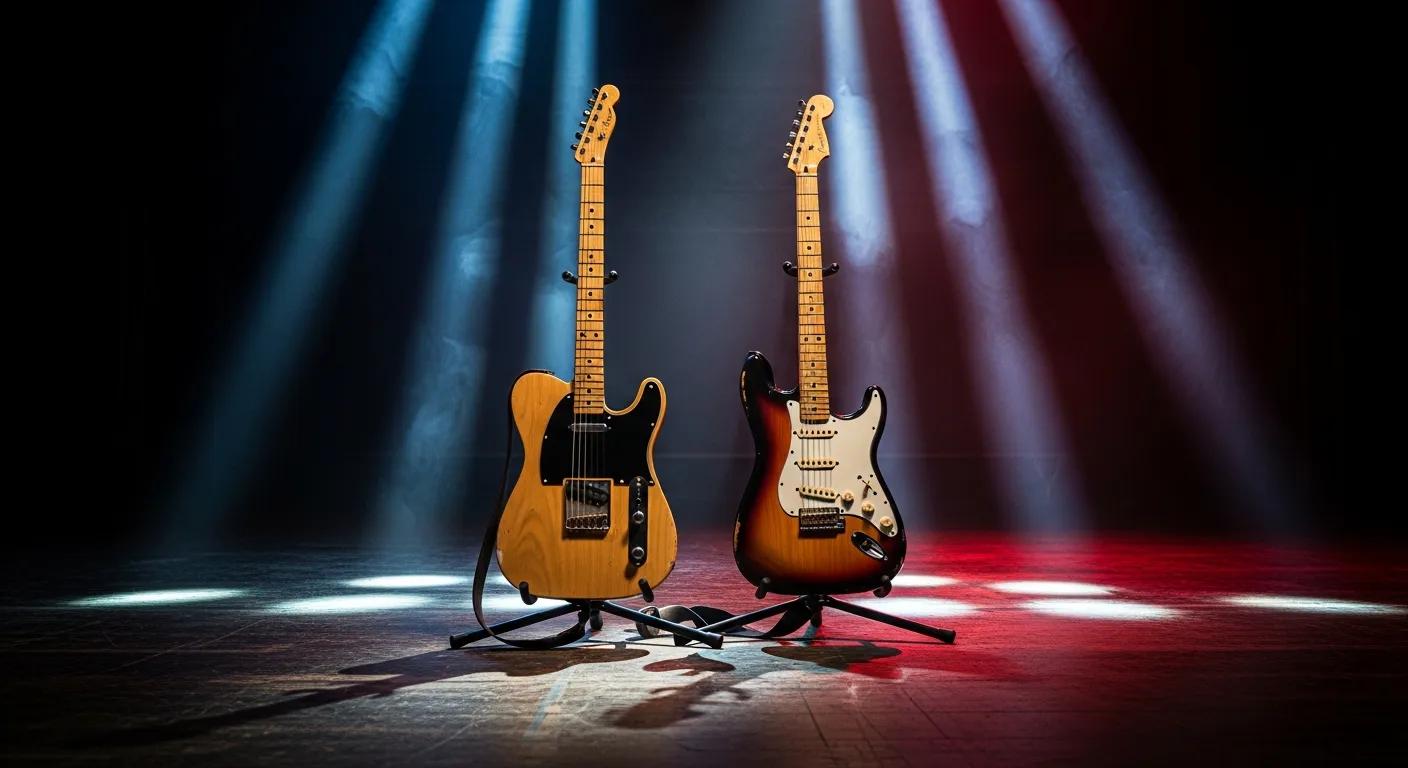
Leo Fender launched the Telecaster in 1950, a groundbreaking instrument featuring a solid spruce body, a bolt-on maple neck, and dual single-coil pickups delivering bright, incisive tones. The 1954 Stratocaster elevated the design with a more ergonomic, contoured body, three pickups, and a synchronized tremolo system, vastly expanding expressive bending and vibrato possibilities. These innovations offered players unparalleled tonal versatility, propelling the electric guitar's popularity across country, rock, and pop music.
What Was the Impact of Gibson and Les Paul on Electric Guitar Evolution?
Les Paul collaborated with Gibson to develop a solid-body prototype in the early 1950s, leading to the 1952/53 Gibson Les Paul model, equipped with dual P-90 pickups and carved mahogany tops. Gibson's subsequent adoption of humbucking pickups in the late 1950s significantly reduced noise while enhancing tonal warmth. Together, these designs delivered a powerful midrange and exceptional sustain, solidifying the Les Paul's status as an indispensable studio and stage instrument.
Which Legendary Electric Guitar Models Left an Indelible Mark on Music History?
- Fender Stratocaster – Its versatile three-pickup configuration produces iconic tones across blues, rock, and funk.
- Gibson Les Paul – Featuring dual humbuckers and solid mahogany, it's renowned for thick sustain in rock anthems.
- Gibson ES-335 – A semi-hollow design that masterfully balances warmth with feedback resistance, perfect for jazz and rock.
- Gibson Flying V – Its radical body shape provides impressive sustain and commanding stage presence in hard rock.
Who Are the Guitar Virtuosos Who Transformed Music and Guitar Culture?
Trailblazing guitarists masterfully leveraged evolving instrument designs to forge new playing styles and spearhead entire musical movements. Their innovative techniques inspired generations of musicians, cementing the guitar's position as a premier vehicle for personal expression and cultural transformation.
How Did Blues Icons Like Robert Johnson and B.B. King Shape Guitar Music?
Robert Johnson masterfully blended bottleneck slide techniques with intricate fingerpicking to create haunting Delta blues compositions, profoundly influencing subsequent blues and rock musicians. B.B. King's signature expressive vibrato and soulful single-note phrasing on his Gibson ES-355, affectionately known as "Lucille," introduced a vocal-like guitar voice that became fundamental to modern blues and soul, bridging the gap between acoustic tradition and amplified electric expression.
What Was the Influence of Rock and Roll Pioneers Like Chuck Berry on Guitar History?
Chuck Berry ingeniously fused boogie-woogie piano rhythms with driving double-stop riffs and his signature duck-walk showmanship on his Gibson ES-350T, igniting the riff-driven energy of rock and roll. His focus on memorable lead lines and electrifying stage presence defined the early vocabulary of rock guitar and inspired countless bands worldwide.
How Did Innovators Such as Jimi Hendrix, Eric Clapton, and Eddie Van Halen Revolutionize Guitar Playing?
Jimi Hendrix pushed sonic boundaries to their limits, expertly manipulating feedback, executing dramatic whammy bar dives, and employing reverse-tape effects with his Fender Stratocaster to conjure psychedelic soundscapes. Eric Clapton popularized stadium-sized blues-rock with his fluid phrasing on Gibson SG and Stratocaster models. Eddie Van Halen redefined rock guitar technique and customization with his pioneering two-hand tapping and custom humbucking pickup configurations on bespoke "superstrats."
Who Are the Jazz and Classical Guitar Masters Who Shaped Guitar's Evolution?
Django Reinhardt pioneered the electrifying genre of gypsy jazz with his virtuosic, lightning-fast arpeggios on Selmer–Maccaferri guitars, seamlessly blending swing rhythms with Romani musical flair. Andrés Segovia elevated the classical guitar to the prestigious concert hall, meticulously adapting lute repertoire and commissioning new works for nylon-string guitars, thereby shaping modern classical technique and pedagogical approaches.
What Are the Defining Guitar Music Genres and Their Cultural Significance?
The guitar's remarkable adaptability has allowed it to become the cornerstone of countless genres, reflecting societal shifts and regional identities through its distinct playing styles and tonal palettes. Exploring these diverse roles reveals how the instrument evolved into a universal symbol of artistic expression and communal connection.
How Have the Guitar's Roles in Blues and Jazz Music Evolved Over Time?
Blues pioneers initially used acoustic guitars to convey deeply personal narratives and social commentary, eventually evolving into electric blues that profoundly influenced rock music's raw intensity. Jazz guitar transitioned from intricate chordal comping on hollow-body archtops to fluid single-note improvisation in bebop and fusion, dramatically expanding the genre's harmonic language and rhythmic complexity.
Why Is the Guitar So Central to Rock, Pop, and Folk Traditions?
Rock music fundamentally relied on electric guitars for its powerful chord structures and searing solos, embodying the spirit of youth rebellion. Pop artists skillfully incorporated clean Stratocaster tones and infectious riffs to craft universally appealing, radio-ready hooks. Folk musicians utilized the warmth of steel-string acoustics and intricate fingerstyle techniques to accompany poignant storytelling, grounding social movements with accessible, portable instrumentation.
What Are the Global Guitar Traditions in Flamenco, Latin, and African Music?
Flamenco guitarists captivate audiences with rapid rasgueados and precise picado runs on nylon-string instruments, incorporating percussive techniques that echo Andalusian heritage. Latin American styles intricately weave the guitar with vibrant percussion in genres like salsa, bossa nova, and tango, blending syncopated rhythms with the distinctive sound of nylon strings. African musical traditions often feature modified guitars tuned to local scales and played with slides or percussive slapping, reflecting indigenous musical structures and aesthetics.
Why Are Vintage Guitar Models So Historically Significant and Highly Collectible?
Vintage guitars are treasured for their embodiment of historical craftsmanship, their unique sonic signatures, and their rich cultural provenance, making them highly sought after by collectors as both musical instruments and valuable assets. The natural aging of their woods and the authenticity of their original hardware often produce tonal qualities that modern production cannot replicate, forging a direct and tangible link to music history.
What Makes Vintage Guitars So Valuable: Tone, Craftsmanship, and History?
Aged tonewoods mature over time, developing richer overtones and enhanced resonance through natural drying processes. Hand-carved bracing ensures a distinctive harmonic character. Original factory finishes and period-correct hardware serve as authentic markers of a model's lineage, while any association with landmark recordings or iconic artists significantly elevates its provenance—collectively contributing to their substantial value.
How Can You Identify and Date Famous Vintage Guitar Models?
Decoding serial numbers, carefully examining finish checking under specific lighting, and analyzing hardware stamps are key methods for pinpointing manufacturing dates. Features like patent-dated knobs, distinct bridge designs, and specific logo fonts serve as crucial attributes for identifying production eras. Accurate authentication often requires consulting original factory archives and seeking the expertise of seasoned luthiers.
Which Vintage Guitar Models Are Most Coveted by Collectors?
Collectors particularly prize models such as:
- The 1959 Gibson Les Paul Standard, celebrated for its legendary PAF humbuckers and stunning flame-maple tops.
- 1960s Fender Stratocasters (pre-CBS), distinguished by their early “spaghetti” logos.
- The 1930s Martin D-28, renowned for its Adirondack spruce soundboards.
- Early Gibson ES-335 semi-hollow prototypes, representing groundbreaking design.
How Has Guitar Technology Evolved and Shaped Music Styles?
Continuous advancements in pickups, amplification, effects, and the use of sustainable materials are constantly redefining guitar tone and playability, empowering artists to explore uncharted sonic territories. Following these developments reveals the dynamic interplay between technological progress and the ever-evolving landscape of musical genres.
What Were the Key Technological Leaps in Guitar Pickups and Amplification?
The transition from single-coil to humbucker pickups significantly reduced noise and enriched midrange frequencies, while active pickups offered higher output and greater clarity, especially for high-gain genres. Breakthroughs in amplification, including tube-driven overdrive circuits and sophisticated solid-state modeling, provided players with dynamic response and consistent tone shaping, fueling the sounds of heavy metal, alternative rock, and modern jazz.
How Did Effects and Electronics Shape Guitar Sound and Genres?
Effects pedals—such as fuzz, delay, chorus, and wah-wah—became indispensable tools for sonic expression and modulation. Musicians harnessed these devices to craft the psychedelic soundscapes of the 60s, the ethereal textures of ambient music, and the aggressive distortions characteristic of metal, demonstrating how electronics dramatically expanded the guitar's emotional range and helped define entire genres.
What Are the Current Trends in Sustainable Materials and Modern Guitar Manufacturing?
Contemporary guitar builders are actively exploring alternative tonewoods like bamboo, sapele, and innovative mycelium composites to minimize their environmental footprint. Precision CNC machining ensures exacting standards while preserving handcrafted elements, and the use of carbon fiber necks offers exceptional stability across diverse climates—skillfully blending tradition with ecological consciousness.
The resonant qualities of vintage tonewoods continue to inspire modern pickup voicing and body designs, ensuring that future guitars honor historical craftsmanship while boldly embracing innovation.
This comprehensive timeline and exploration of the guitar's evolution vividly illustrate how human creativity and technological ingenuity transformed a simple stringed instrument into a global cultural icon. The remarkable progression from ancient string carriers to highly collectible vintage models reflects a continuous journey of refinement in design, materials, and musical application. As new materials and electronics emerge, the guitar's enduring legacy inspires successive generations to unlock its boundless expressive potential.


Share:
Custom Guitar Build Guide: Achieve Your Dream Instrument
Affordable Used Electric Guitars: Shop Now for Great Deals