

Top Bass Guitars for Every Player — 2026
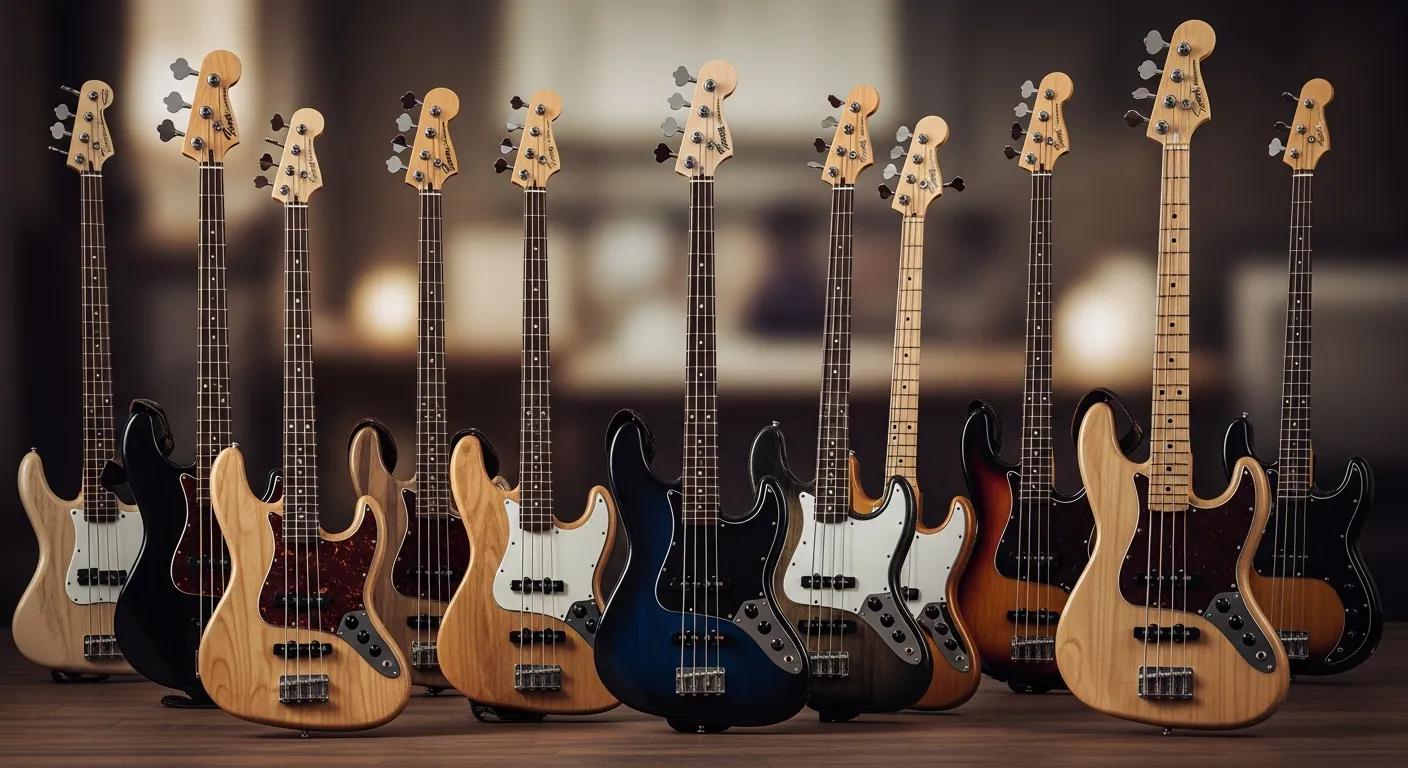
Selecting the ideal bass guitar in 2026 demands a discerning approach given the unprecedented variety and technological advancements available. This comprehensive guide distills decades of industry expertise and player feedback to equip you with the critical knowledge needed to make an informed decision. We dissect essential specifications, highlight the most exemplary models for novices through seasoned professionals, and provide advanced maintenance protocols to ensure your instrument delivers peak performance and longevity. Additionally, we clarify the nuanced distinctions between active and passive bass guitars, conduct a rigorous brand comparison, and conclude with a detailed pricing framework to optimize your investment strategy.
When purchasing a bass guitar, expert consensus and market data consistently identify several pivotal factors that dictate both player satisfaction and long-term value: tonal fidelity, structural integrity, ergonomic design, and cost-effectiveness. These criteria fundamentally influence purchasing behavior and should guide your selection process.
Guitar Buying Guide: Key Consumer Preference Factors
Empirical research confirms that superior sound reproduction, optimal price-to-quality ratio, premium materials and craftsmanship, comprehensive warranty coverage, streamlined purchasing experience, dynamic pricing models, promotional incentives, and a robust feature set are decisive in acoustic guitar acquisition.
Local Guitar Position Mapping Based on Consumer Preferences and Perceptions Using Multidimensional Scaling, HS Rukmi, 2024
Best Bass Guitars for Beginners in 2026
Choosing the right entry-level bass guitar is paramount to fostering rapid skill acquisition and sustained enthusiasm. The most effective beginner basses combine lightweight construction, ergonomic neck profiles, and responsive electronics to facilitate effortless fretting and dynamic tonal expression. Crucially, these instruments must deliver a sonically balanced output that motivates practice while remaining accessible within a constrained budget.
What Beginners Should Look For in a Bass Guitar
When evaluating a bass guitar for foundational learning, prioritize these technical attributes:
- Neck dimensions and playability: Opt for a slim, C-shaped neck with a 34-inch scale length or shorter to reduce hand fatigue and facilitate accurate finger placement, critical for developing proper technique.
- Weight distribution and ergonomics: Instruments constructed with lightweight tonewoods such as alder or basswood, combined with contoured bodies, minimize physical strain during extended practice sessions.
- Pickup configuration and tonal clarity: Passive single-coil or split-coil pickups with moderate output provide a clear, articulate sound that enhances ear training and musicality.
Choice of tonewoods, particularly alder, is a strategic decision balancing mass and resonance, yielding a bright yet warm tonal character favored in entry-level instruments.
Guitar Body Materials: Alder for Lightweight, Balanced Tone
Alder remains the industry standard for bass bodies due to its optimal density-to-resonance ratio, delivering a well-defined midrange and balanced frequency response essential for versatile playing.
New optimal process of making a guitar, 2010
These specifications collectively ensure that beginners receive an instrument engineered to support technical growth without compromising comfort or sound quality.
Affordable Electric Basses That Give the Best Value
Below are rigorously vetted, cost-effective electric basses that consistently earn acclaim from educators and entry-level players alike: bass guitars
- Squier by Fender Affinity Series: Engineered with precision, featuring a lightweight alder body, a smooth maple neck with a 9.5-inch radius fingerboard, and reliable split-coil pickups. Priced around £199, it offers exceptional build quality and tonal versatility for beginners.
- Yamaha TRBX174: Constructed with a solid mahogany body and a five-piece maple/mahogany neck, this model delivers robust low-end response and a versatile active/passive switchable preamp system, retailing near £249 — ideal for exploring diverse genres.
- Ibanez GSR200: Incorporates a slim, fast neck profile and dual ceramic pickups, providing a broad tonal palette and excellent sustain at approximately £229, making it a preferred choice for developing players seeking dynamic expression.
Each of these models exemplifies a strategic balance of affordability, durability, and professional-grade features, ensuring a sound investment for beginners.
Top Professional Bass Guitars Recommended for 2026
For professional musicians engaged in touring and studio work, bass guitars must exhibit uncompromising craftsmanship, advanced pickup technology, and precision electronics to guarantee consistent tonal excellence and ergonomic reliability under demanding conditions. High-end instruments employ premium tonewoods such as roasted maple and exotic hardwoods, alongside meticulously engineered hardware to meet these rigorous standards.
How Premium Bass Models Compare on Performance and Price
Elite bass guitars like the Fender American Professional II and Music Man StingRay represent the pinnacle of instrument design, integrating cutting-edge electronics and refined playability. Their price points, ranging from £1,200 to £2,500, reflect the superior materials, hand-crafted assembly, and innovative features that professional players require.
- Fender American Professional II: Renowned for its vintage-inspired V-Mod II pickups and sculpted neck profile, this model delivers a rich, articulate tone with exceptional dynamic range, priced around £1,599.
- Music Man StingRay: Features proprietary humbucking pickups with active 3-band EQ, offering a powerful, punchy sound favored in funk and rock genres, available for approximately £2,199.
- Ibanez SR Premium: Combines a lightweight mahogany body with a five-piece maple/walnut neck and Bartolini MK-1 pickups, providing a modern tonal versatility and fast playability at about £1,499.
These instruments are engineered to deliver unparalleled performance reliability, tonal precision, and ergonomic comfort essential for professional applications.
Which Brands Lead the Professional Bass Market?
Industry-leading manufacturers have established their dominance through decades of innovation, rigorous quality control, and endorsement by top-tier artists. Our in-depth analysis of professional bass guitars reveals:
- Fender: Pioneers of the electric bass, Fender’s iconic designs and versatile tonal palette remain the benchmark for rock, jazz, and beyond.
- Music Man: Their advanced electronics and signature pickups produce a distinctive, aggressive tone that dominates in live and studio settings.
- Ibanez: Known for ergonomic innovation and a broad model range, Ibanez caters to progressive and metal players demanding speed and tonal flexibility.
These brands have cemented their reputations through continuous refinement and artist collaboration, ensuring instruments that meet the highest professional standards.
Their legacy is rooted in transformative designs such as the Fender Precision Bass, which revolutionized bass playing by shifting amplification responsibility to the amplifier, enabling unprecedented dynamic control and technical expression.
Electric Bass Evolution: Fender Precision Bass Impact
Introduced in 1951 by Leo Fender, the Precision Bass fundamentally altered the role of the bassist by integrating magnetic pickups and a solid body, facilitating amplified volume and enhanced playability. This innovation expanded the instrument’s technical capabilities and reshaped musical genres.
The Aesthetic of Electric Bass
How Bass Brands Compare: Fender, Ibanez, Yamaha and More
Brand selection is a critical decision influenced by tonal objectives, ergonomic preferences, and budget constraints. Each manufacturer offers distinct design philosophies and technical specifications that cater to different musical contexts.
Key Differences Between Popular Bass Brands
- Fender: Characterized by classic body shapes, versatile single-coil and split-coil pickups, and a broad tonal spectrum ideal for rock, blues, and jazz professionals.
- Ibanez: Emphasizes modern aesthetics, ultra-thin neck profiles, and lightweight bodies, favored by metal and progressive musicians requiring speed and precision.
- Yamaha: Delivers robust construction, reliable electronics, and cost-effective pricing, making it a preferred choice for beginners and intermediate players seeking durability and consistent tone.
Understanding these brand-specific attributes enables players to align their instrument choice with their stylistic and technical demands.
Best Brands by Skill Level and Needs
- Beginners: Squier, Aria, and Yamaha provide accessible, ergonomically designed instruments with dependable electronics, facilitating foundational skill development.
- Intermediate players: Ibanez and Yamaha offer enhanced feature sets, including active electronics and refined neck profiles, supporting advancing technical proficiency.
- Professionals: Fender and Music Man deliver premium craftsmanship, sophisticated electronics, and superior tonal articulation required for high-stakes performance environments.
Recognizing which brands excel at each proficiency tier streamlines the selection process and optimizes player satisfaction.
Active vs Passive Bass Guitars: Which Electronics Work Best in 2026?
The choice between active and passive electronics fundamentally shapes your tonal capabilities and performance versatility. Both systems possess distinct technical merits that cater to different playing contexts and sonic preferences.
Advantages of Active Bass Electronics
Active bass guitars incorporate onboard preamplifiers powered by batteries, often coupled with multi-band EQ controls, delivering several professional-grade benefits:
- Superior signal-to-noise ratio: Active circuits provide a cleaner, more defined output, essential for complex mix environments.
- Expanded tonal sculpting: Integrated EQ allows precise frequency adjustments, enabling rapid adaptation to diverse musical settings.
- Increased output level: Higher signal strength facilitates driving amplifiers into desirable overdrive or maintaining clarity in large venues.
These features make active basses indispensable for players requiring extensive tonal flexibility and stage-ready reliability.
When a Passive Bass Makes Sense
Passive bass guitars utilize traditional magnetic pickups without onboard amplification, offering distinct advantages:different types of bass guitars
- Operational simplicity: Absence of batteries and active circuitry reduces maintenance complexity and potential failure points.
- Authentic tonal warmth: Passive pickups produce a natural, organic sound prized in vintage and roots music genres.
- Cost efficiency: Generally more affordable, passive basses provide excellent entry points for beginners and budget-conscious musicians.
Your genre preferences and desired degree of tonal control should guide the active versus passive decision.
Accessories and Maintenance Tips to Improve Your Bass Experience
Optimal accessory selection and disciplined maintenance routines are critical to maximizing your bass guitar’s performance, comfort, and lifespan.
Essential Accessories Every Bassist Should Own
Professional-grade accessories enhance playability and protect your investment:
- Ergonomic strap: High-density foam padding and adjustable width straps reduce shoulder fatigue during prolonged performances.
- Precision tuner: Chromatic tuners with high accuracy ensure consistent pitch, vital for both practice and live settings.
- Protective gig bag or hard case: Durable, weather-resistant cases safeguard against physical damage and environmental fluctuations during transport.
Investing in these accessories is a strategic move to preserve instrument integrity and enhance user experience.
How to Care for Your Bass Guitar
Implementing a rigorous maintenance regimen is essential for sustaining tonal quality and mechanical reliability:
- Routine cleaning: Use microfiber cloths and specialized guitar cleaners to remove sweat, oils, and dirt from strings and body after each session.
- Scheduled string replacement: Change strings every 2–3 months or sooner depending on playing frequency to maintain optimal tension and tonal brightness.
- Controlled storage environment: Maintain stable humidity (40–50%) and temperature to prevent wood warping and electronic degradation.
Adhering to these practices minimizes repair costs and preserves your instrument’s professional-grade sound.
How Much to Budget: Bass Guitar Price Guide for 2026
Understanding the financial landscape of bass guitars enables strategic budgeting aligned with skill level and performance requirements.
Typical Price Ranges for Beginner, Intermediate and Professional Basses
| Skill Level | Price Range |
|---|---|
| Beginner | £200 - £300 |
| Intermediate | £300 - £1,000 |
| Professional | £1,000 - £2,500 |
These price brackets reflect the escalating complexity of materials, electronics, and craftsmanship commensurate with advancing player demands.
Where to Find the Best Deals on Quality Basses in the UK
- Online retailers: Leverage seasonal promotions and bundle offers from reputable vendors to maximize value.
- Local music shops: Hands-on evaluation facilitates informed decisions regarding playability and tone; negotiation opportunities may yield favorable pricing.
- Second-hand market: Carefully vetted used instruments can provide exceptional quality at reduced cost, provided thorough inspection for wear and functionality.
Employing a multifaceted purchasing strategy enhances the likelihood of acquiring a bass that aligns with both sonic aspirations and financial parameters.
Frequently Asked Questions
What is the difference between active and passive bass guitars?
Active bass guitars integrate onboard preamplifiers and EQ circuitry powered by batteries, enabling enhanced tonal control, higher output, and reduced noise floor. This makes them highly adaptable across diverse musical styles and performance environments. Conversely, passive bass guitars rely solely on magnetic pickups without active electronics, offering a simpler, more traditional signal path that produces a warm, organic tone favored in vintage and roots music. The choice hinges on your desired tonal flexibility, maintenance preferences, and genre-specific requirements.
How can I improve my bass guitar playing skills?
Advancing your bass proficiency necessitates disciplined, structured practice emphasizing technical fundamentals such as finger independence, muting techniques, and rhythmic precision. Mastery of scales, arpeggios, and groove patterns underpins musical versatility. Supplement practice with theoretical study, including harmony and chord construction, to deepen musical understanding. Engaging with experienced instructors, participating in ensemble settings, and utilizing recording technology for self-assessment are proven methods to accelerate development and refine stylistic expression.
What maintenance is required for a bass guitar?
Maintaining your bass guitar in optimal condition involves systematic cleaning of the fretboard, strings, and hardware to prevent corrosion and wear. Regular string replacement preserves tonal clarity and playability. Environmental control is critical; storing the instrument in a humidity-stabilized case mitigates wood deformation and electronic failures. Annual professional setups, including truss rod adjustments, action calibration, and intonation correction, ensure sustained performance and comfort.
What accessories should I consider for my bass guitar?
Essential accessories encompass a high-quality, ergonomically designed strap to alleviate physical strain, a precision tuner for accurate pitch maintenance, and a robust gig bag or hard case for transport protection. Additional tools such as a metronome enhance timing skills, a capo expands key versatility, and a pedalboard facilitates tonal experimentation. Strategic accessory investment elevates both practice efficiency and live performance reliability.
How do I choose the right bass guitar for my style?
Selecting an appropriate bass guitar requires aligning instrument specifications with your musical genre, technical proficiency, and ergonomic preferences. Beginners benefit from lightweight, comfortable models with clear, balanced tone to support foundational skill acquisition. Intermediate players should seek instruments offering expanded tonal options and refined playability to accommodate evolving techniques. Professionals demand premium materials, advanced electronics, and superior craftsmanship to meet the rigors of performance and recording. Hands-on evaluation of neck profile, body contour, and electronic response is indispensable to ensure optimal fit and sound.
What are the common price ranges for bass guitars?
Bass guitar pricing correlates strongly with skill level and feature complexity. Entry-level instruments typically range from £200 to £300, providing reliable construction and basic electronics suitable for beginners. Intermediate models, priced between £300 and £1,000, incorporate enhanced materials, active electronics, and improved hardware. Professional-grade basses command £1,000 to £2,500, reflecting meticulous craftsmanship, premium tonewoods, and sophisticated electronic systems. Awareness of these tiers facilitates informed budgeting and expectation management.
Conclusion
Choosing the right bass guitar is a decisive factor in elevating your musicianship at any stage of your journey. Prioritize instruments that embody the technical features aligned with your stylistic goals and ergonomic needs, while adhering to realistic budget parameters. Engage in hands-on trials to assess playability and tonal response firsthand. Our expertly curated selection offers a spectrum of options tailored to diverse player profiles — now is the time to select your instrument with confidence and embark on a rewarding musical path.




Share:
Folk Guitar: Storytelling Through Acoustic Melodies
Guitar Pots and Wiring – Upgrading Your Sound Properly