

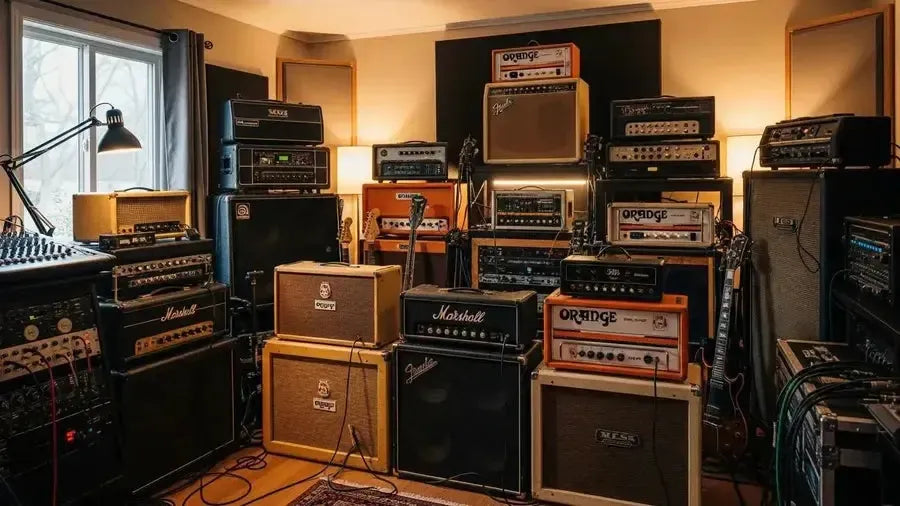
Best Practice Amps for Guitar: Home & Studio Use for Musicians Seeking Quality and Expertise
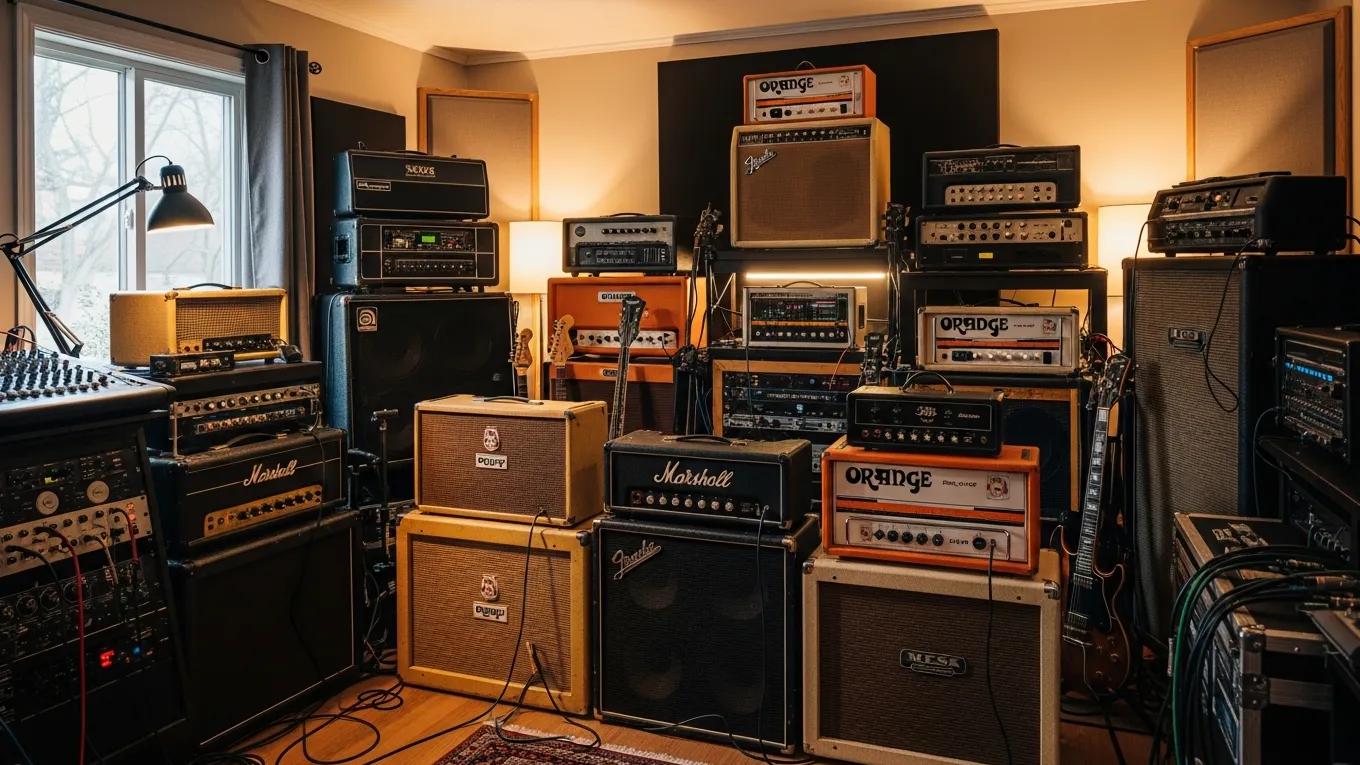
By Tony Rawson, MusicStreet
Choosing the right amplifier is crucial for any guitarist, whether for home practice or studio recording. The best practice amps not only enhance sound quality but also cater to various playing styles and environments. This article will guide you through the essential features to consider when selecting an amplifier, the different types available, and practical tips for musicians. By understanding these aspects, you can make an informed decision that elevates your playing experience. We will also explore how MusicStreet, a reputable guitar shop, can assist you in finding the perfect amp for your needs.
Best Practice Amplifiers
When it comes to practice amplifiers, several brands stand out for their quality and reliability. Notable options include:
- Fender: Known for their classic tones, Fender amps are versatile and suitable for various genres.
- Blackstar: Offers innovative features and great sound quality, making them ideal for both practice and performance.
- Vox: Renowned for their unique sound, Vox amps are perfect for musicians looking to achieve a distinct tone.
These brands provide a range of amplifiers that cater to different needs, from compact practice amps to more powerful models suitable for studio use. MusicStreet offers a curated selection of these amplifiers, ensuring you find the right fit for your musical journey.
Key Features to Consider
Selecting the right amplifier involves evaluating several key features that can significantly impact your playing experience. Here are some important aspects to consider:
- Wattage: The wattage of an amp determines its volume and suitability for different environments. Lower wattage amps are ideal for home practice, while higher wattage models are better for live performances.
- Portability: If you plan to move your amp frequently, consider its size and weight. Compact and lightweight models are easier to transport.
- Built-in Effects: Many modern amps come with built-in effects, such as reverb and delay, which can enhance your sound without the need for additional pedals.
Understanding these features will help you choose an amplifier that meets your specific needs and enhances your playing experience.
| Feature | Description | Importance |
|---|---|---|
| Wattage | Determines volume and suitability for different settings | High |
| Portability | Size and weight for easy transport | Medium |
| Built-in Effects | Additional sound options without extra gear | High |
These features play a crucial role in ensuring that your amplifier not only meets your current needs but also adapts to your future requirements as a musician.
Tips for Musicians
To maximize your experience with your guitar amplifier, consider the following tips:
- Experiment with Settings: Take the time to explore different settings on your amp. Adjusting EQ, gain, and effects can lead to discovering your unique sound.
- Invest in Quality Cables: The quality of your cables can significantly affect sound clarity. Opt for high-quality cables to ensure the best audio performance.
- Regular Maintenance: Keep your amplifier clean and well-maintained. Regular checks can prevent issues and prolong the life of your equipment.
By following these tips, you can enhance your playing experience and ensure your amplifier remains in top condition.
What Are the Main Types of Guitar Amps for Home and Studio Use?
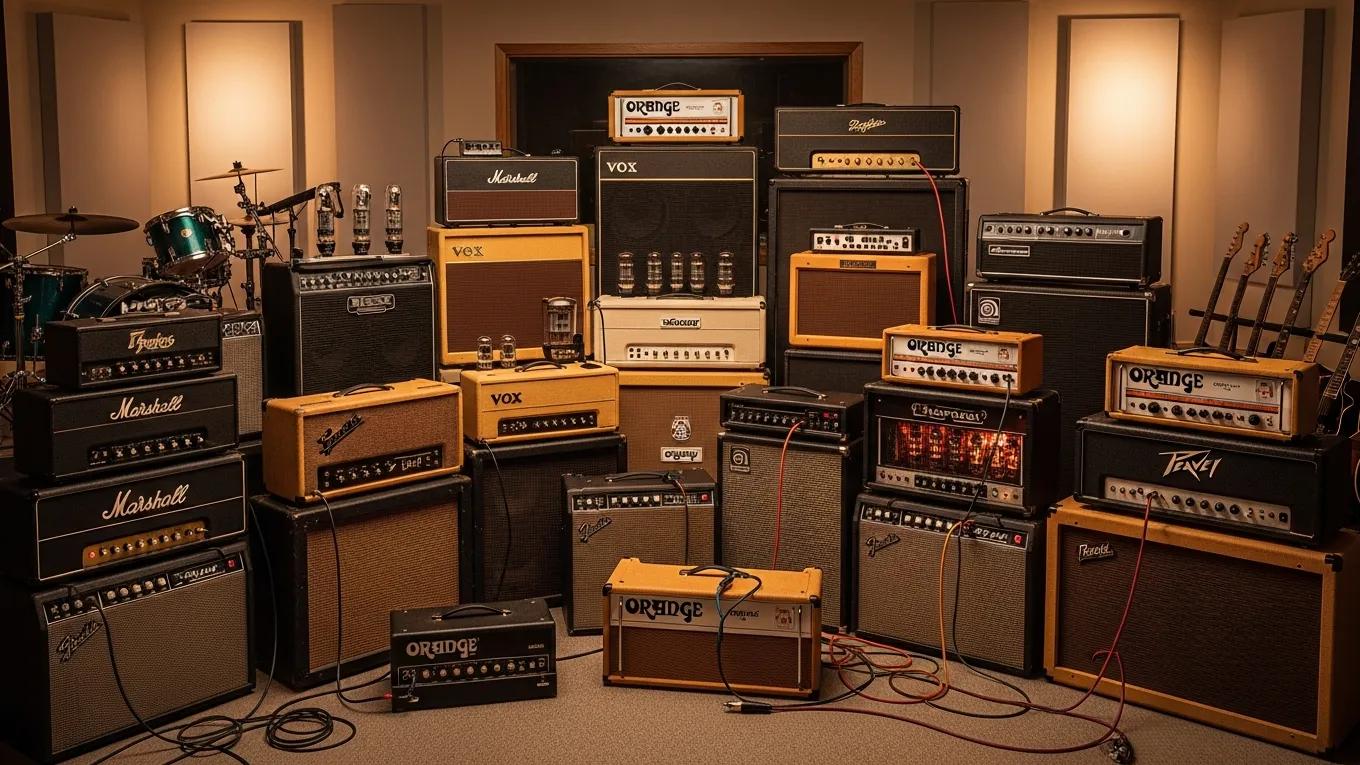
Understanding the different types of guitar amplifiers is essential for making an informed choice. The main categories include:
- Tube Amps: Known for their warm, rich tones, tube amps are favored by many professional musicians for their dynamic response.
- Solid-State Amps: These amps are reliable and often more affordable, making them a great choice for beginners.
- Modeling Amps: Offering a wide range of built-in effects and sounds, modeling amps are versatile and suitable for various styles.
Each type has its unique characteristics, making it important to choose one that aligns with your playing style and needs.
How Do Tube, Solid State, and Modeling Amps Differ in Sound and Performance?
Tube amps produce a warm, organic sound that many musicians prefer for its richness and depth. They respond dynamically to playing style, making them ideal for expressive performances. In contrast, solid-state amps provide a cleaner sound and are generally more durable and less expensive. Modeling amps, on the other hand, simulate various amp sounds and effects, offering versatility for those who enjoy experimenting with different tones.
Which Amp Type Is Best Suited for Home Practice and Studio Recording?
For home practice, lower wattage tube amps or solid-state amps are often recommended. Tube amps, such as the Fender Blues Junior, provide excellent sound quality at lower volumes, making them perfect for home use. For studio recording, modeling amps like the Line 6 Helix offer a range of tones and effects, allowing for greater flexibility in sound design.
How to Choose the Right Wattage and Size for Your Home Guitar Amplifier?
When selecting an amplifier for home use, consider the wattage based on your practice environment. Generally, 5-15 watts is sufficient for home practice, providing enough volume without overwhelming your space. Additionally, the size of the amp should fit comfortably in your practice area, ensuring easy access to controls and settings.
Beyond wattage and size, innovative designs are also exploring how amplifiers can seamlessly blend into home aesthetics while maintaining acoustic quality.
Home-Integrated Guitar Amps: Design for Aesthetics & Acoustics
The project sought to design a guitar amplifier that would easily integrate into the decor of an apartment, imitating a piece of furniture. The design aims to create an aesthetic appearance that fits harmoniously in different types of homes, eliminating the need to bend down to adjust volume, tone, etc. The amplifier was built from a wooden case, with an accessory storage system in a lower drawer, and the functionality was achieved by integrating an Arduino board and a PCB circuit to implement the audio effects. The study details the stages of designing the amplifier prototype, including making the printed circuit board and processing the audio signal in four distinct stages: analogue signal amplification, digitalprocessing by Arduino, signal output stage, and power supply. The project also includes the careful design of the amplifier components, using quality materials such as spruce panel to ensure superior acoustics. The result demonstrates the complexity and innovati
Design and Manufacturing of a Custom Guitar Amplifier: Optimizing Materials for Acoustic Performance and Durability, 2024
What Wattage Is Ideal for Bedroom Practice and Small Studio Settings?
For bedroom practice, an amp with 1-5 watts is often ideal, allowing for quiet playing without disturbing others. In small studio settings, 5-20 watts can provide enough volume for recording without compromising sound quality. Models like the Blackstar Fly 3 are perfect for bedroom use, offering portability and great sound.
How Does Amp Portability Affect Home and Studio Use?
Portability is a significant factor when choosing an amplifier, especially for musicians who travel frequently. Lightweight and compact amps are easier to transport, making them suitable for home use and gigs. Consider models with built-in handles or those that can easily fit in a car for added convenience.
What Are the Best Small and Compact Guitar Amps for Practice and Studio?
- Fender Mustang LT25: A versatile modeling amp with various built-in effects.
- Roland Micro Cube: Known for its portability and battery operation, making it great for on-the-go musicians.
- Vox Pathfinder 10: Offers classic Vox tones in a compact design.
These models provide excellent sound quality while being easy to transport, making them ideal for both practice and recording.
What Features Should You Look for in a Compact Practice Amp?
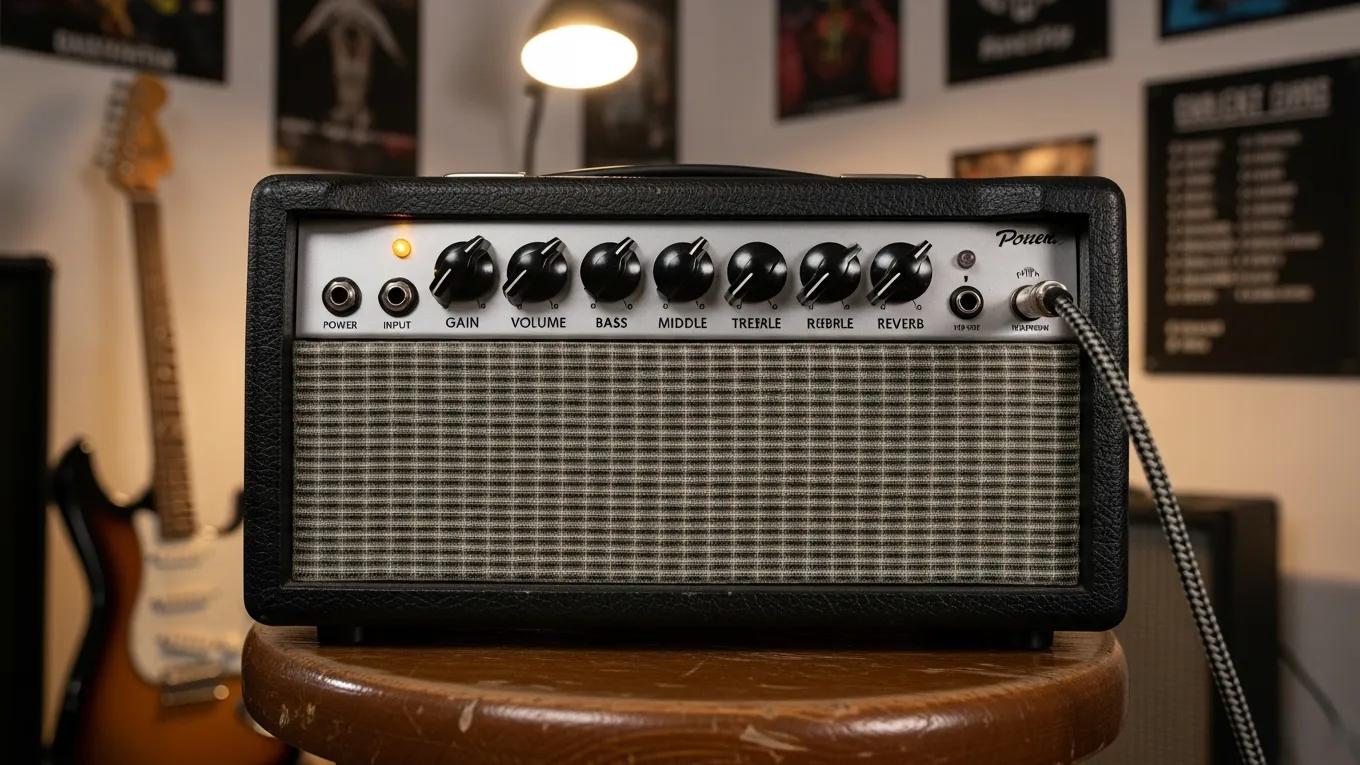
When selecting a compact practice amp, consider the following features:
- Wattage: Ensure it has enough power for your practice environment.
- Built-in Effects: Look for models with effects that suit your playing style.
- Connectivity Options: Features like headphone outputs and aux inputs can enhance your practice experience.
These features will help you find a compact amp that meets your needs while providing great sound quality.
How Do Modeling Amps with Effects Enhance Home Recording?
Modeling amps with built-in effects offer significant advantages for home recording. They allow musicians to experiment with various sounds and effects without needing additional pedals. This versatility can lead to more creative recording sessions, enabling you to achieve the desired sound more efficiently.
What Studio Guitar Amplifier Features Support Professional Recording?
For professional recording, look for amplifiers with the following features:
- USB Connectivity: Allows for direct recording to a computer, simplifying the recording process.
- Multiple Channels: Provides versatility in sound options, accommodating different playing styles.
- High-Quality Speakers: Ensure accurate sound reproduction during recording sessions.
These features are essential for achieving high-quality recordings that meet professional standards.
Why Are Low-Wattage Tube Amps Popular for Studio Use?
Low-wattage tube amps are favored in studio settings for their ability to produce rich, dynamic tones at manageable volumes. They allow musicians to achieve the desired sound without excessive volume, making them ideal for recording environments. Additionally, their tonal characteristics can enhance the overall quality of recordings.
Further emphasizing their appeal, small tube amps are celebrated for their versatile tones, making them excellent for both practice and recording.
Small Tube Amps: Versatile Tones for Practice & Recording
First of all, guitarists love the bright, crystal and somewhat vintage style clean tone of this tiny amp that suits many different playing styles, so much so that even non-guitarists, for example harmonica players, favor this small amp for its warmer sound and clean tone. As for the overdrive, the channel produces decent quality overdriven tones that are especially suitable for blues and soft rock. And the overdrive will sound even more impressive if you pair up the amp with good pedals.
10 Best Small Tube Amps Features Top Guitar Tones, 2020
How Does USB Connectivity Improve Home Recording with Guitar Amps?
USB connectivity simplifies the recording process by allowing direct connection to a computer. This feature enables musicians to record their playing without the need for additional equipment, streamlining the workflow. Many modern amps come equipped with USB outputs, making them a convenient choice for home studios.
How Can MusicStreet’s Expertise and Workshop Services Enhance Your Amp Experience?
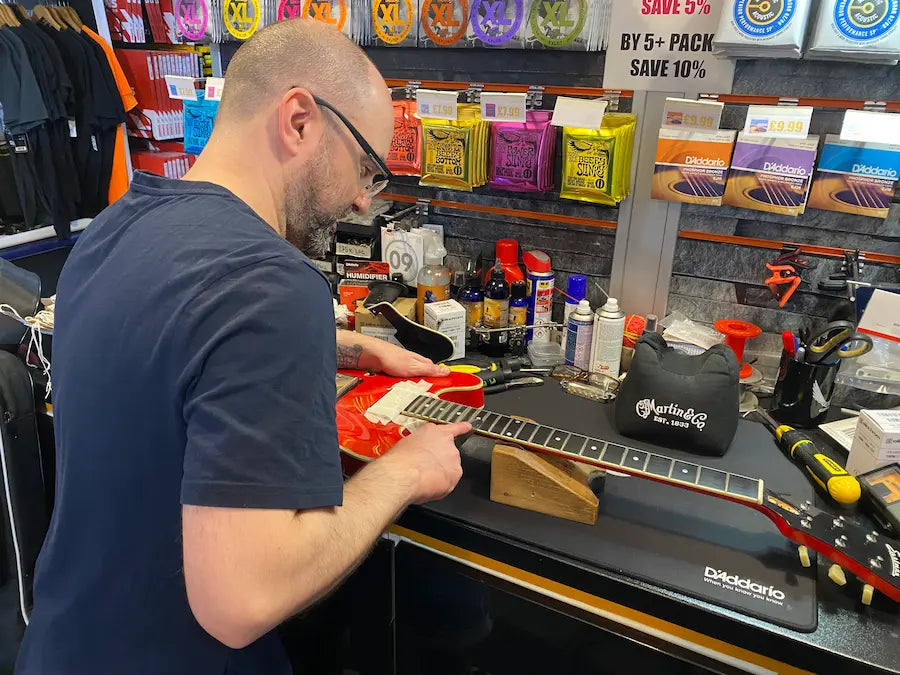
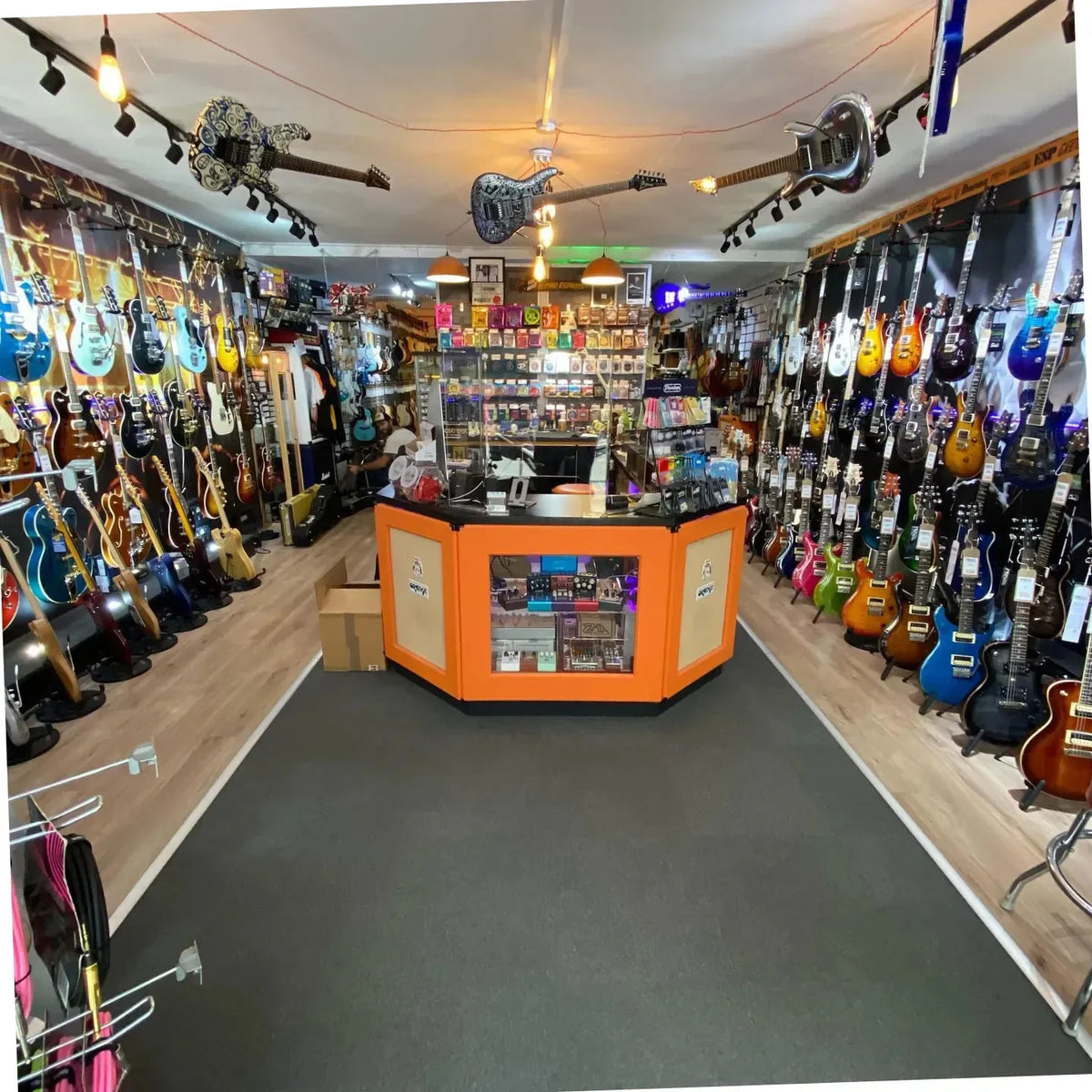
MusicStreet offers a range of services to enhance your amplifier experience. Their knowledgeable staff can provide expert advice on selecting the right amp for your needs, ensuring you make an informed decision. Additionally, MusicStreet's workshop services can assist with setup and maintenance, helping you get the most out of your equipment.
What Professional Setup and Repair Services Does MusicStreet Offer for Guitar Amps?
MusicStreet provides professional setup and repair services for guitar amplifiers, ensuring optimal performance. Their services include:
- Amp Setup: Tailoring your amplifier settings for the best sound.
- Repair Services: Addressing any issues to keep your amp in top condition.
- Maintenance Checks: Regular inspections to prevent potential problems.
These services are invaluable for musicians looking to maintain their equipment and ensure it performs at its best.
How Does MusicStreet’s Part Exchange Program Benefit Amp Buyers?
MusicStreet's part exchange program allows musicians to trade in their old amplifiers for credit towards new purchases. This program benefits buyers by:
- Reducing Costs: Offset the price of a new amp with credit from your old one.
- Encouraging Upgrades: Make it easier to invest in higher-quality equipment.
- Sustainable Practices: Promote recycling and responsible disposal of old gear.
This program is an excellent option for musicians looking to upgrade their equipment while minimizing costs.
What Are Common Questions About Guitar Amps for Home and Studio Use?
Many musicians have questions when selecting the right amplifier for their needs. Here are some common inquiries:
What Is the Best Amp for Home Practice and How Many Watts Do You Need?
For home practice, a 5-15 watt amp is typically sufficient. Models like the Fender Champion 20 provide great sound quality at lower volumes, making them ideal for home use.
Are Tube Amps Better Than Solid State for Recording?
Tube amps are often preferred for their warm, rich tones, while solid-state amps offer reliability and affordability. The choice depends on personal preference and the specific sound you wish to achieve in your recordings.

Share:
How to set up a home studio: a step-by-step guide
Combo Amp vs Head and Cabinet: Which Guitar Amp Setup Should You Choose?