


Guitar Tuners Unveiled
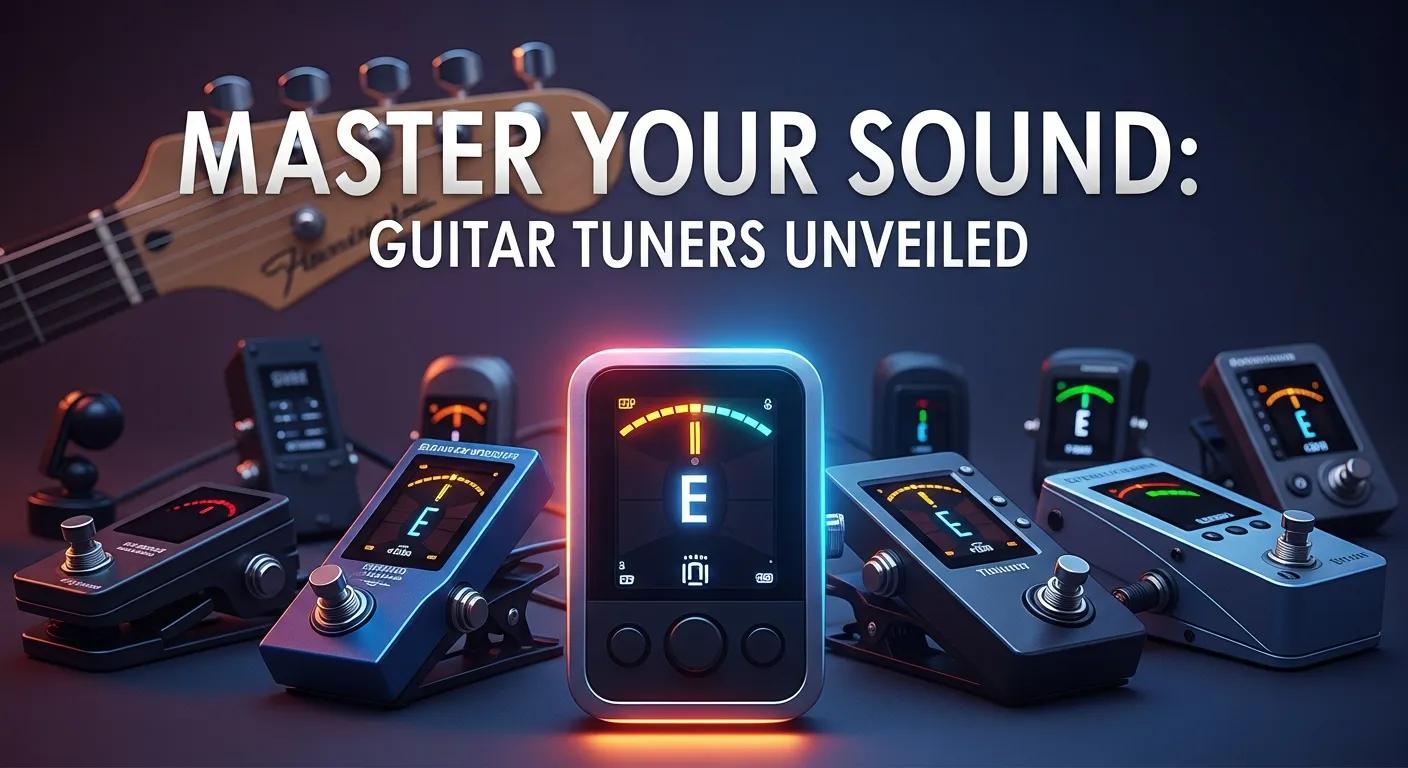
Guitar tuners are essential tools for musicians, ensuring that their instruments produce the correct pitches. With various types available, understanding their functionalities can significantly enhance a guitarist's playing experience. This article delves into the different types of guitar tuners, how they operate, and recommendations for the best models available in the UK. Many guitarists struggle with maintaining accurate tuning, which can affect performance quality. By exploring the mechanisms behind guitar tuners, readers will gain insights into selecting the right tuner for their needs. We will cover the types of tuners, their working principles, top recommendations, and maintenance tips, providing a comprehensive guide for both beginners and professionals.
What Are the Different Types of Guitar Tuners Available in the UK?
Guitar tuners come in several varieties, each designed to cater to different playing styles and preferences. The most common types include clip-on tuners, digital tuners, and pedal tuners. Understanding these options can help musicians choose the best fit for their needs.
How Does a Clip-On Guitar Tuner Work and Who Should Use It?
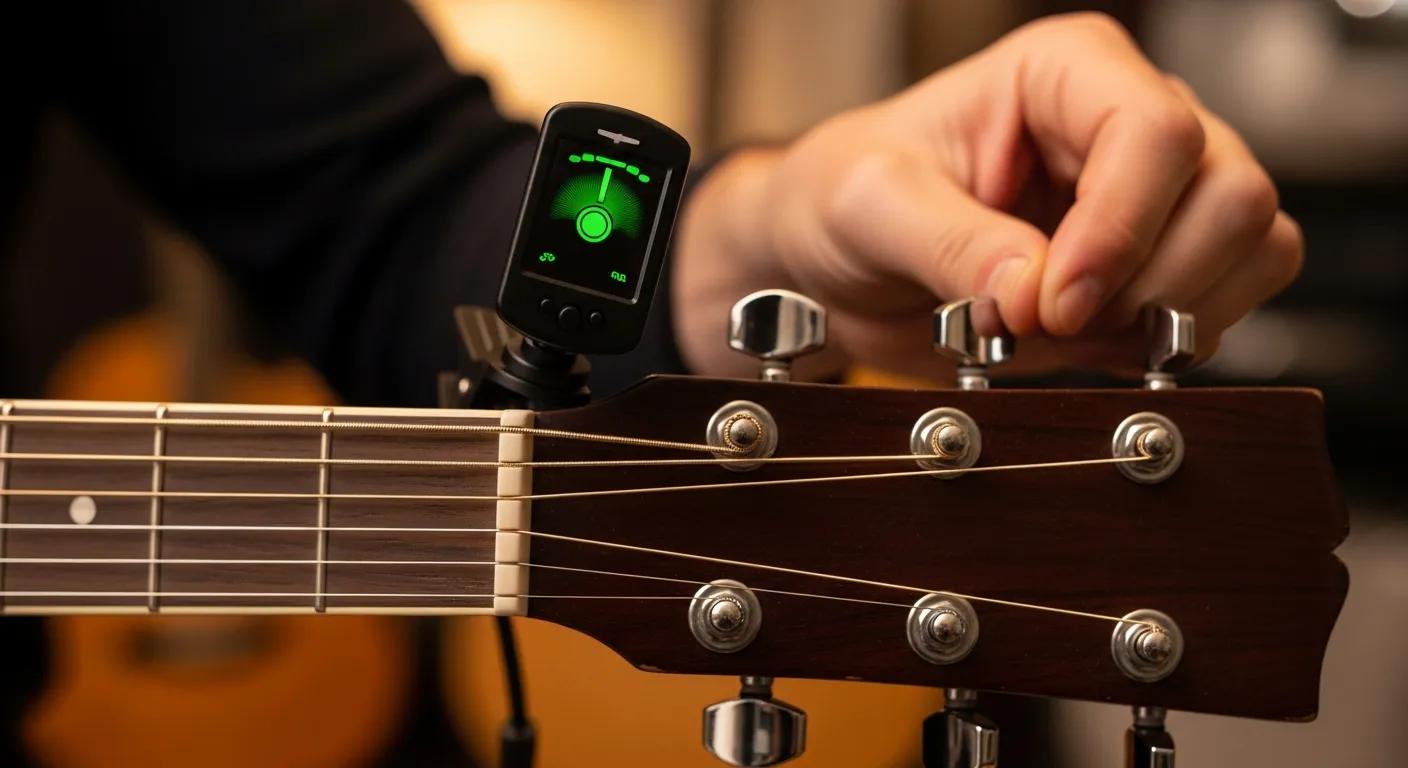
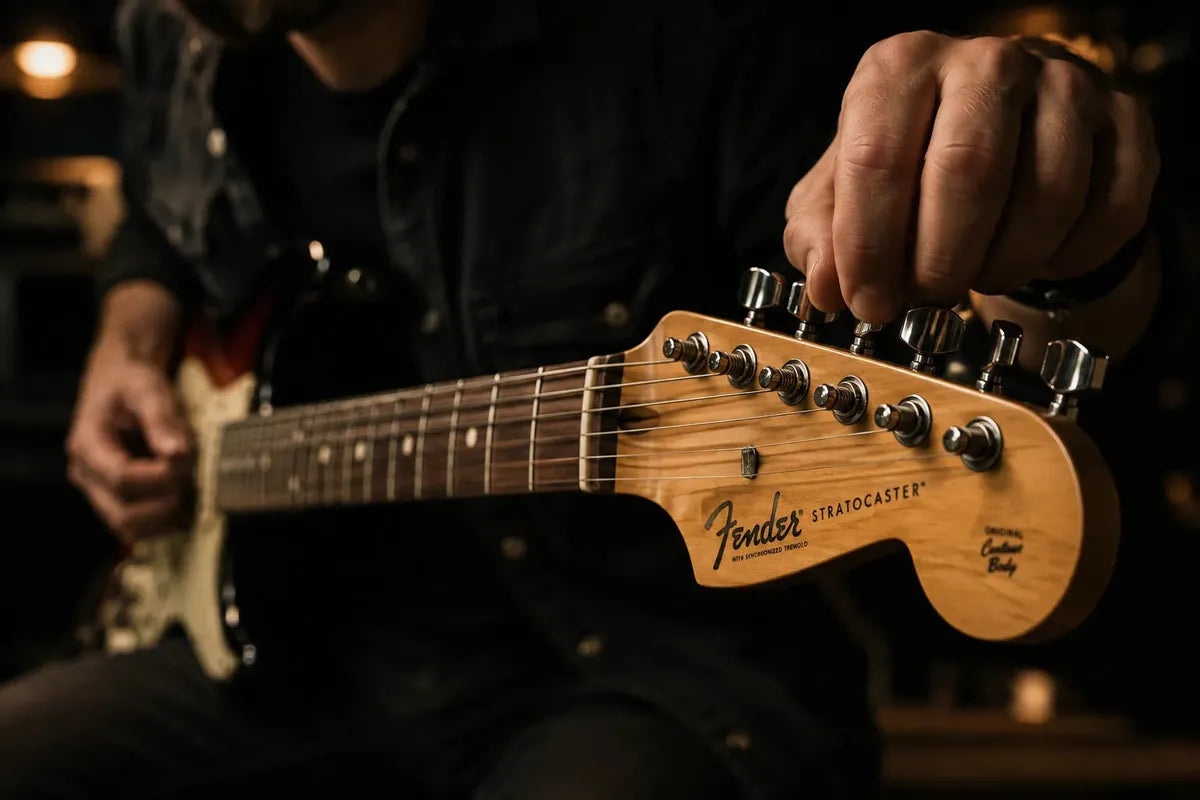
A clip-on guitar tuner works by detecting the vibrations of the guitar through its tuning pegs. This type of tuner is particularly beneficial for beginners and acoustic players, as it is easy to use and provides quick feedback. Clip-on tuners are portable and can be attached directly to the headstock of the guitar, making them convenient for on-the-go tuning. Their simplicity and effectiveness make them a popular choice among novice guitarists.
What Are the Features of Digital and Pedal Guitar Tuners?

Digital and pedal guitar tuners offer a range of features that cater to different playing environments. Digital tuners typically provide a visual display of the pitch, allowing for precise tuning. They often include features like chromatic tuning, which enables tuning to any note, and various tuning modes for different instruments. Pedal tuners, on the other hand, are designed for live performances and can handle multiple instruments simultaneously. They are built to withstand the rigours of stage use and often include features like true bypass to maintain signal integrity.
How Do Guitar Tuners Work?
Guitar tuners function by measuring the pitch of the sound produced by the guitar strings and comparing it to the desired pitch. This process is crucial for achieving accurate tuning, which is essential for optimal sound quality.
What Is Chromatic Tuning and Why Is It Important?
Chromatic tuning refers to the ability of a tuner to recognise all twelve pitches in an octave. This feature is vital for musicians who play in various keys, as it allows for precise tuning across different musical contexts. Chromatic tuners help ensure that each note is accurately tuned, which is particularly important for ensemble playing where multiple instruments must be in harmony.
How Does Calibration Affect Guitar Tuner Performance?
Calibration is a critical aspect of guitar tuner performance. It involves adjusting the tuner to ensure it accurately reflects the pitch of the notes being played. Improper calibration can lead to inaccurate tuning, which can affect the overall sound quality. Regularly checking and calibrating your tuner can help maintain its accuracy and reliability.
Which Are the Best Guitar Tuners to Buy in the UK?
When selecting a guitar tuner, it's essential to consider factors such as accuracy, ease of use, and features. Here are some of the best guitar tuners available in the UK that cater to various needs and budgets.
What Are the Best Budget Guitar Tuners for Beginners?
For beginners, budget-friendly options that do not compromise on quality are available. Some recommended models include:
- Snark SN-5X: A popular clip-on tuner known for its accuracy and ease of use, priced around £15.
- Korg GA-1: A compact digital tuner that offers a range of tuning modes, available for approximately £20.
- D'Addario PW-CT-12: This clip-on tuner is user-friendly and provides quick tuning feedback, costing about £20.
Which Guitar Tuners Do Professionals Prefer?
Professional musicians often prefer tuners that offer advanced features and reliability. Some top choices include:
- Boss TU-3: A robust pedal tuner favoured by many guitarists for its accuracy and durability, priced around £99.
- TC Electronic Polytune 3: Known for its polyphonic tuning capabilities, this pedal tuner is available for about £129.
- Peterson StroboPlus HD: A high-end tuner that provides precise tuning options, priced at approximately £189.
Can Guitar Tuner Apps Replace Physical Tuners?
With the rise of technology, many musicians wonder if guitar tuner apps can effectively replace traditional physical tuners. While apps offer convenience and portability, they may not always match the accuracy of dedicated tuners.
What Are the Advantages and Limitations of Guitar Tuner Apps?
Guitar tuner apps provide several advantages, including:
- Cost-Effectiveness: Many apps are free or low-cost, making them accessible to all musicians.
- Portability: Apps can be easily downloaded on smartphones, allowing for tuning anywhere.
- User-Friendly Interfaces: Most apps feature intuitive designs that make tuning straightforward.
However, limitations include:
- Accuracy: Some apps may not be as precise as dedicated tuners, especially in noisy environments.
- Battery Dependency: Apps rely on device batteries, which can be a drawback during long sessions.
How Do Physical Tuners Maintain Their Relevance Among Musicians?
Despite the convenience of apps, physical tuners remain relevant due to their reliability and accuracy. Many musicians prefer the tactile feedback and immediate response of a physical tuner, especially in live performance settings. Additionally, dedicated tuners often have features that cater specifically to musicians' needs, such as true bypass and robust construction.
How to Maintain and Care for Your Guitar Tuner?
Proper maintenance of your guitar tuner can extend its lifespan and ensure consistent performance. Here are some best practices to follow.
What Are Best Practices for Extending Guitar Tuner Battery Life?
To prolong the battery life of your guitar tuner, consider the following tips:
- Turn Off When Not in Use: Always switch off your tuner when it's not in use to conserve battery.
- Use Quality Batteries: Invest in high-quality batteries to ensure longer usage between changes.
- Store Properly: Keep your tuner in a protective case to prevent damage and accidental activation.
How Can MusicStreet’s In-House Workshop Support Your Guitar Tuner Needs?
At MusicStreet, we offer comprehensive support for all your guitar tuning needs. Our in-house workshop provides services such as:
- Calibration Services: Ensure your tuner is accurately calibrated for optimal performance.
- Battery Replacement: We can replace batteries and perform maintenance checks to keep your tuner in top condition.
- Expert Advice: Our knowledgeable staff can guide you in selecting the right tuner for your specific needs.
By following these maintenance tips and utilising our services, you can ensure your guitar tuner remains a reliable tool in your musical journey.
*(The existing HTML article content without links)*





Share:
Locking tuners: boost your guitar's tuning stability
Types of guitar woods and how they shape your tone