


Not all guitar woods are created equal, and if you’ve spent any time researching electric guitar bodies, you’ll know that swamp ash keeps coming up in conversations among players and luthiers alike. Many guitarists assume the body wood makes little difference once the pickups are in place, but that’s a misconception worth challenging. Swamp ash is a lightweight, resonant variant of white ash, prized for properties that genuinely shape how an instrument feels and sounds. Understanding what makes it special can help you make a far more informed choice when selecting your next guitar.
Table of Contents
- What is swamp ash?
- Why luthiers and musicians value swamp ash
- Comparing swamp ash with other popular guitar woods
- Sustainability and current availability of swamp ash
- Caring for swamp ash guitars
- Find your perfect swamp ash guitar at MusicStreet
- Frequently asked questions
Key Takeaways
| Point | Details |
|---|---|
| Unique resonance | Swamp ash’s low density creates a lively, bright resonance favoured by many players. |
| Aesthetic appeal | The bold grain pattern makes swamp ash ideal for translucent or natural finishes. |
| Scarce resource | Emerald ash borer infestations have made swamp ash increasingly rare and valuable. |
| Maintenance matters | Open grain requires specific finishing and cleaning techniques for best results. |
What is swamp ash?
Swamp ash isn’t simply a marketing term. It refers to a specific type of white ash (Fraxinus americana and related species) that grows in the wet, low-lying areas of the southeastern United States. The waterlogged conditions these trees grow in produce wood with a notably lower density than standard northern ash, along with a more open, dramatic grain pattern.
Swamp ash is a lightweight variant of white ash grown in swampy areas of the southeastern US, and its physical characteristics set it apart from the moment you pick up a body blank. The density typically falls between 480 and 560 kg/m³, which is considerably lighter than northern ash and contributes directly to its acoustic behaviour. Its pale, creamy colour and bold grain lines also make it visually striking.
Here’s a quick overview of swamp ash’s key physical properties:
| Property | Swamp ash | Northern ash |
|---|---|---|
| Density | 480–560 kg/m³ | 600–700 kg/m³ |
| Grain pattern | Open, bold | Tighter, more uniform |
| Colour | Pale cream to light tan | Cream to light brown |
| Workability | Good, requires grain filler | Good, easier to finish |
| Typical guitar use | Electric body blanks | Less common in guitars |
Key physical characteristics at a glance:
- Lower density than most ash variants, aiding resonance
- Open pore structure that creates a distinctive visual grain
- Pale, attractive colouring ideal for natural and translucent finishes
- Good workability, cutting and sanding cleanly in the workshop
- Lightweight feel that translates directly to player comfort on stage
Why luthiers and musicians value swamp ash
The reputation swamp ash carries isn’t accidental. Luthiers have gravitated towards it for decades, particularly for single-coil-equipped guitars where clarity and articulation matter most. The wood’s lower density allows it to vibrate more freely, producing what many describe as a lively, airy resonance that denser woods simply can’t replicate.
Luthier consensus emphasises lightness aiding resonance, though some builders note that weight and resonance interact differently depending on the specific piece of wood. This variability is actually part of swamp ash’s character. No two bodies are identical, which means each instrument has its own personality.
“Swamp ash rewards the player who listens carefully. Its open grain and low density give it a voice that sits beautifully in a mix, with a natural sparkle that complements both clean and lightly driven tones.”
Beyond tone, the lightweight nature of swamp ash makes a real difference during long rehearsals or gigs. A body that weighs noticeably less reduces shoulder and back fatigue, which any gigging musician will appreciate. The bold grain also makes it a favourite for natural oil or translucent finishes, though the open pores do require grain filler before applying a smooth lacquer. If you’re interested in how wood choice affects long-term instrument health, our guide on acoustic guitar maintenance covers related principles worth knowing.
Key reasons luthiers and players choose swamp ash:
- Lively, resonant tone with natural brightness and clarity
- Lightweight body reducing fatigue during extended playing
- Visually striking grain perfect for natural and translucent finishes
- Responsive feel that rewards dynamic playing styles
- Long association with iconic single-coil electric guitars
Pro Tip: When selecting a swamp ash body, choose the lightest piece available for maximum resonance and openness. Heavier pieces within the swamp ash range tend to produce a punchier, more focused attack, which suits some players but loses some of that characteristic airiness.
Comparing swamp ash with other popular guitar woods
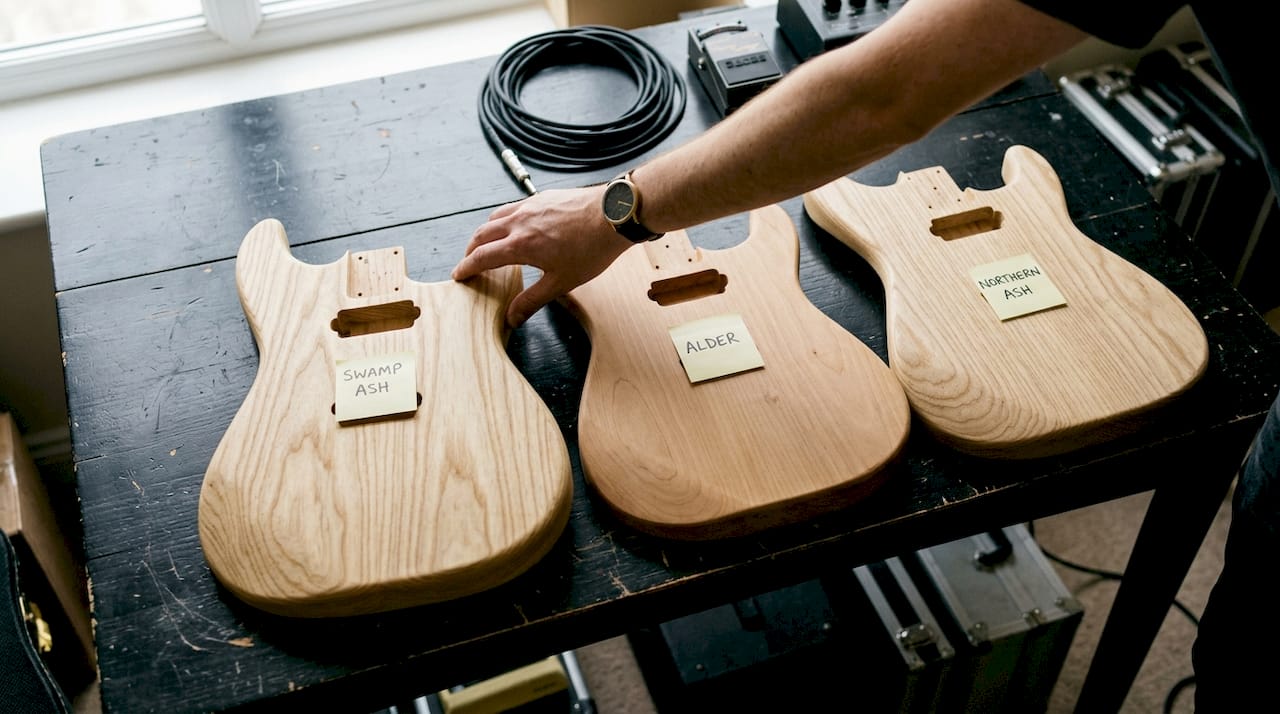
Swamp ash doesn’t exist in isolation. Most players considering it are also weighing up alder or northern ash, both of which are common in production electric guitars. Understanding the differences helps you match the wood to your playing style and tonal goals.
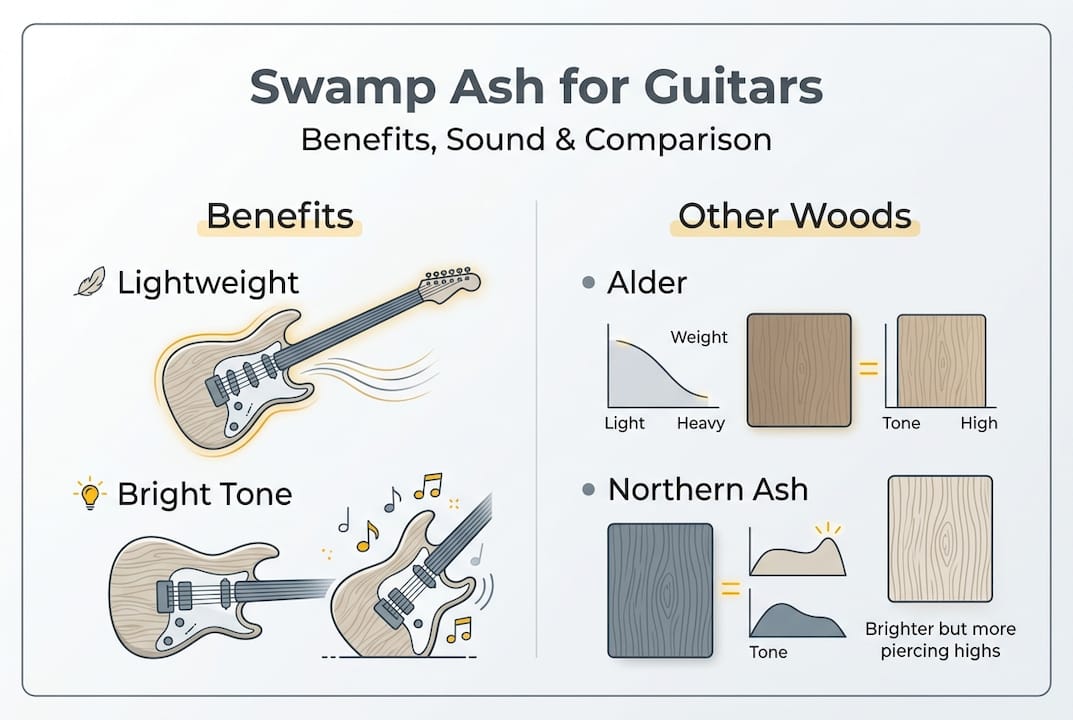
Swamp ash is lighter and brighter than northern ash but sits close in weight to alder, while its tone is more variable and less consistently balanced than alder’s famously even response. Alder tends to emphasise the upper midrange in a smooth, predictable way, making it a reliable choice for rock and general studio work. Swamp ash, by contrast, offers more sparkle in the highs and a scooped midrange that suits certain styles beautifully.
| Feature | Swamp ash | Alder | Northern ash |
|---|---|---|---|
| Weight | Light | Light to medium | Heavy |
| Tone character | Bright, airy, variable | Balanced, upper-mid focus | Bright, dense, punchy |
| Grain appearance | Bold, open | Subtle, tight | Moderate |
| Best finish type | Natural, translucent | Solid or translucent | Solid |
| Typical genres | Blues, funk, country | Rock, pop, studio | Heavy rock, metal |
To help you decide which wood suits your needs, here’s a practical breakdown by use case:
- Blues and funk: Swamp ash excels here. Its natural sparkle and dynamic response reward expressive, nuanced playing.
- Country and clean tones: Again, swamp ash shines, particularly with single-coil pickups and light overdrive.
- Rock and heavier styles: Alder’s consistent midrange makes it the more reliable choice for high-gain applications.
- Studio versatility: Alder’s balanced tone sits well in most mixes without needing much EQ adjustment.
- Vintage-inspired builds: Swamp ash is the historically accurate choice for many classic American electric guitars.
If you want to keep your guitar in top condition regardless of body wood, the principles of care remain consistent. And if you’re still exploring your options, our guide to buying guitars in the UK can help you navigate the market with confidence.
Sustainability and current availability of swamp ash
Here’s where the story takes a sobering turn. Swamp ash is not listed under CITES (the Convention on International Trade in Endangered Species), so it isn’t legally protected in the way some exotic tonewoods are. However, its availability is declining sharply, and the cause is a small but devastating insect.
Swamp ash is rapidly disappearing due to the emerald ash borer, an invasive beetle that has killed hundreds of millions of ash trees across North America since its arrival in the early 2000s. The pest bores beneath the bark and disrupts the tree’s ability to transport water and nutrients, killing mature trees within a few years of infestation.
Stat to note: The emerald ash borer has been responsible for the destruction of an estimated 8 billion ash trees across North America, with swamp ash populations among the hardest hit due to their concentrated geographic range.
For guitarists and builders, this means prices for quality swamp ash body blanks are rising steadily, and premium pieces are becoming harder to source. Some manufacturers are already exploring alternatives such as thermally modified woods, reclaimed timber, or lightweight alternatives like paulownia. If you’re interested in instruments built from premium guitars and accessories using carefully sourced tonewoods, now is a good time to explore what’s available before stocks tighten further.
Caring for swamp ash guitars
Because swamp ash is often chosen for its beauty and resonance, it’s worth knowing how to care for your instrument so it lasts a lifetime. The wood’s open grain and relatively lower density mean it needs a little more attention than some denser alternatives.
Open pores require grain filler before finishing, and the wood cuts, sands, and glues well during the build process. Once finished, the care routine is straightforward but consistent attention pays dividends.
Essential care tips for swamp ash guitars:
- Maintain stable humidity between 45% and 55% relative humidity. Swamp ash can be susceptible to warping if exposed to significant moisture fluctuations.
- Use grain filler if refinishing or touching up the body, as skipping this step leads to an uneven surface over the open pores.
- Inspect regularly for dents and chips, as the softer grain areas between the hard growth rings can be vulnerable to impact damage.
- Clean gently using products designed for guitar finishes. Avoid anything abrasive that could leave residue in the open grain.
- Check hardware and neck joints periodically, as any movement in the body wood can affect intonation and playability over time.
For a thorough overview of keeping any guitar in excellent shape, our guitar maintenance and care guide is an excellent starting point. You’ll also find practical advice on how to clean a guitar without damaging the finish or the wood beneath.
Pro Tip: A light oil finish, such as tung oil or a similar penetrating oil, can enhance the visual drama of swamp ash’s grain while allowing the wood to breathe. Just be aware that oil finishes require more frequent reapplication than lacquer, typically once or twice a year depending on how much the guitar is played.
Find your perfect swamp ash guitar at MusicStreet
If you’re considering adding a swamp ash guitar to your collection, MusicStreet is here to help you find the right instrument and keep it in top shape. Our curated selection includes guitars built from carefully sourced tonewoods, and our team brings genuine expertise to every conversation, whether you’re shopping online or visiting us in Huntingdon, Cambridgeshire.

We stock a range of electric guitars suited to players at every level, and we’re always happy to discuss the tonal and practical differences between body woods before you commit. Browse our full range when you shop guitars at MusicStreet and discover instruments that match your playing style. Once you’ve found your guitar, our complete guitar maintenance guide will help you protect your investment for years to come. Get in touch with our team for personalised advice, and let us help you find the instrument that truly speaks to you.
Frequently asked questions
Is swamp ash better than alder for guitar bodies?
Swamp ash is brighter and more variable in tone, while alder delivers a consistent, balanced response that many players prefer for rock and general studio use. Neither is objectively superior; the right choice depends entirely on your tonal goals and playing style.
Why is swamp ash becoming hard to find?
Emerald ash borer infestations have devastated ash tree populations across North America, making quality swamp ash increasingly scarce and driving prices upward. Builders and players who want this wood are advised to act sooner rather than later.
How do you maintain a swamp ash guitar?
Maintain stable humidity, use grain filler when refinishing, and clean gently with guitar-safe products to protect the open grain structure. Regular inspection for dents and chips will also help preserve the body’s appearance over time.
Does swamp ash impact an electric guitar’s tone?
Many luthiers and players confirm that its low density aids resonance, typically producing a brighter, more open sound compared to denser body woods. The effect is most noticeable on guitars with single-coil pickups and lighter string gauges.


Share:
USA guitars: quality, value, and playability explained
Effective guitar amp troubleshooting steps for clear sound